

Imagine a world where AI agents negotiate, pay, and deliver value to each other - all autonomously, all on-chain. That’s not sci-fi anymore. With X402 Payment Intents integration, you can empower your AI-driven apps, bots, or services to transact instantly using stablecoins like USDC via the HTTP Payment Protocol. Let’s dive into how you can ride this new wave of agentic commerce payment rails and build the future of digital payments.
Why X402 for Agent-to-Agent (A2A) Crypto Payments?
Traditional payment flows are clunky for machines. They require sessions, accounts, or API keys - friction that breaks autonomy. X402 flips the script: it lets any client (including AI agents) programmatically pay for API access or digital resources using HTTP 402 status codes and on-chain settlement. No more manual intervention or centralized bottlenecks.
This is especially powerful for scenarios like:
- AI content crawlers paying per API call
- Autonomous trading bots accessing premium data feeds
- Machine learning agents buying compute or storage on demand
With Coinbase X402 implementation, you get instant, secure, and transparent payments that fit natively into web protocols.
The Core X402 Payment Flow: How It Works for Agents
The magic of X402 lies in its simplicity. Here’s the high-level flow:
Key Steps in the X402 A2A Payment Flow
- Set Up the X402 Facilitator: Use a trusted facilitator like Coinbase Developer Platform to handle payment verification and settlement, enabling seamless USDC transactions without managing blockchain infrastructure.

- Initiate the Payment Request: The buyer AI agent requests access to a paid resource. If payment is needed, the server responds with an HTTP 402 Payment Required status and detailed payment instructions.

- Construct and Send Payment Intent: The buyer agent creates a payment payload (including currency and amount) and sends it to the server following the X402 protocol.

- Facilitator Verifies and Settles Payment: The facilitator (e.g., Coinbase) verifies the payment and settles the transaction on-chain, ensuring funds are transferred securely in USDC or supported stablecoins.

- Resource Delivery Upon Payment: After successful payment verification, the server delivers the requested API, data, or digital content to the buyer agent automatically.
- Integrate with AI Agent Frameworks: Use AgentKit or similar frameworks to enable your AI agents to autonomously handle X402 payments.

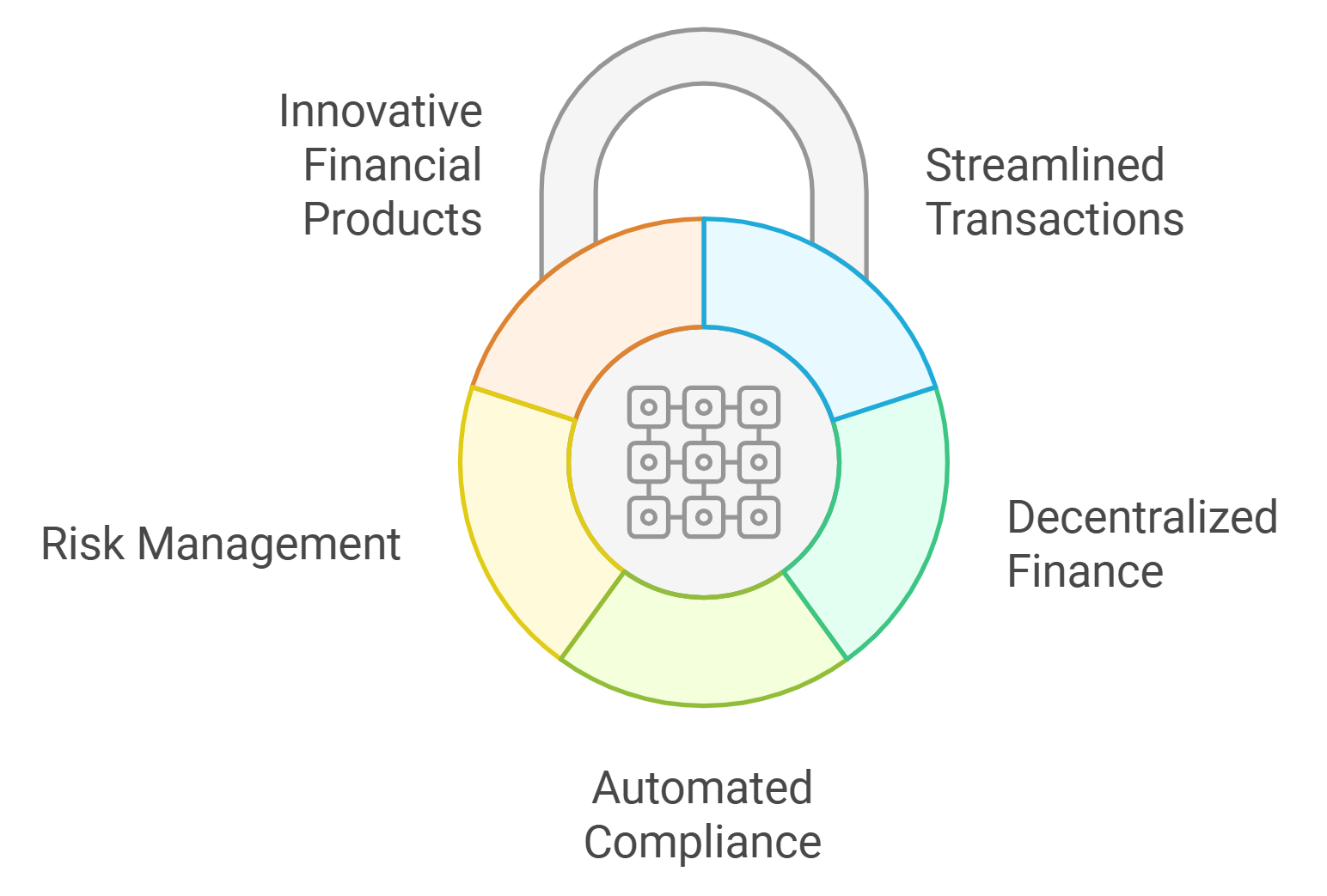
- Ensure Compliance and Security: Assign each agent a Decentralized Identifier (DID) and leverage smart contracts to automate, secure, and govern agent-to-agent payments.
This process enables true machine-to-machine commerce. The seller doesn’t need to run a blockchain node or handle wallets - the X402 facilitator (like Coinbase’s hosted service) verifies and settles payments instantly.
If you want a technical deep-dive or code samples for your stack, check out the official Coinbase Developer Docs.
Setting Up Your A2A Payment Stack: Key Building Blocks
Ready to roll up your sleeves? Here’s what you’ll need to get started with X402 Payment Intents integration for agent-to-agent crypto payments:
- X402 Facilitator Setup: Use Coinbase’s hosted facilitator to process USDC payments on Base with no fees or operational headaches.
- AgentKit Integration: Supercharge your AI agents with autonomous payment logic by plugging into frameworks like AgentKit that support X402 out of the box.
- Compliance and Security: Assign each agent a Decentralized Identifier (DID) and use smart contracts to automate escrow or conditional releases.
- Multi-Currency Support: Specify which stablecoins (USDC on Base/Ethereum L2, USDC. e on Avalanche, USDT pilot) your payment intents will accept - all declared up front in your request payloads.
This modular setup means you can scale from a single agent to a swarm of autonomous economic actors with minimal friction. Want more details? The Agent Payments Protocol docs offer a deep dive into multi-currency rails and observability best practices.
Once your foundational stack is in place, it’s time to focus on operational excellence and future-proofing your agent network. X402 isn’t just a payment protocol - it’s a toolkit for building robust, auditable, and highly automated financial interactions between agents. Let’s zero in on what makes a world-class A2A payment experience.
Observability, Auditing, and Real-Time Insights
With agents transacting autonomously, visibility is non-negotiable. The X402 protocol supports real-time event subscriptions, letting you monitor payment settlements, track escrow utilization, and pull daily statements for reconciliation. This is essential for compliance and troubleshooting - especially as agentic commerce scales.
Top Observability Metrics & Tools for X402 A2A Payments
- Settlement Success Rate: Track the percentage of X402 payment intents that are successfully settled versus those that fail, helping you quickly spot issues in your payment flow.
- Payment Latency: Measure the time it takes for an agent-to-agent (A2A) payment to be verified and settled via the X402 facilitator, ensuring your system remains fast and responsive.

- Escrow Utilization: Monitor the amount of funds held in escrow during payment processing, which is crucial for risk management and liquidity planning in autonomous agent transactions.
- Reconciliation Events: Subscribe to and log settlement events and daily statements from the X402 facilitator (such as Coinbase Developer Platform) to ensure accurate, near-real-time ledger updates and financial reconciliation.

- AgentKit Observability Tools: Use AgentKit for integrated logging and monitoring of agent payment flows, including error tracking and transaction status for AI agents using X402.
- Base Network Analytics: Leverage analytics tools provided by the Base network to monitor USDC transactions, network health, and on-chain payment volumes related to X402 intents.

- Decentralized Identity (DID) Audit Trails: Track agent actions and payment authorizations using DID logs, ensuring traceability and accountability for every A2A transaction.
Want to get hands-on with monitoring? Leverage webhooks or API callbacks from your facilitator to instantly react to successful (or failed) payments. This unlocks automated workflows like:
- Triggering service delivery after settlement
- Flagging suspicious payment patterns
- Syncing agent balances across distributed systems
For deeper analytics, combine these feeds with your own dashboards or SIEM solutions to keep your finger on the pulse of every transaction.
Security and Trust in Agentic Commerce
Autonomous payments demand bulletproof security. Here’s how to harden your stack:
- DIDs (Decentralized Identifiers): Every AI agent gets a unique cryptographic identity, making interactions verifiable and tamper-resistant.
- Smart Contract Escrow: Payments can be held in escrow until agreed conditions are met, removing the need for trust between unknown agents.
- Policy Controls: Define which currencies and partners are allowed per jurisdiction or use case - all enforced at the protocol level.
This setup doesn’t just protect funds - it builds an ecosystem where agents can transact confidently at scale.
Scaling Up: Multi-Agent Ecosystems and Use Cases
The beauty of X402 Payment Intents integration is how easily it adapts as your ambitions grow. Start with a handful of agents paying for API access; then scale up to marketplaces where thousands of bots negotiate, pay, and deliver digital goods autonomously.
If you can imagine an API or service that could be paid for by another machine, you can build it with X402 today.
This is already unlocking new business models: pay-per-use APIs, decentralized compute markets, and data-sharing platforms where value flows directly between agents - no human bottlenecks required.
Pro Tips for Developers Building with X402
- Test in Sandbox Mode: Use Coinbase’s testnet facilitator before going live to catch integration bugs early.
- Automate Everything: From identity assignment to reconciliation, automate as much as possible for true autonomy.
- Stay Updated: The protocol is evolving fast - track updates via the official Coinbase Developer Docs.
The bottom line? If you’re building agentic apps, bots, or digital marketplaces, integrating X402 Payment Intents positions you at the forefront of programmable money. The rails are here - it’s time to unleash autonomous value exchange between agents and watch new economies emerge.




No comments yet. Be the first to share your thoughts!