

AI agents are rapidly reshaping how value moves online, especially when it comes to real-time micropayments for API access, data retrieval, and digital services. The x402 Payment Intents protocol, developed by Coinbase, is at the heart of this transformation. By leveraging the HTTP 402 “Payment Required” status code and enabling stablecoin settlements directly over HTTP, x402 lets autonomous agents pay per request in USDC, unlocking a whole new era of machine-native commerce.
Why x402 Payment Intents Matter for AI Agent Micropayments
Traditional payment rails simply aren’t designed for autonomous, on-chain microtransactions. Enter x402: a protocol purpose-built for machines that need to pay, and get paid, instantly and transparently. With USDC currently priced at $0.0375 (24h high: $0.0410, low: $0.0342), developers can enable AI agents to transact with both speed and cost-efficiency, without sacrificing security or composability.
x402’s ability to facilitate seamless payments is already making waves across the crypto ecosystem. As highlighted by recent integrations from Circle Labs and Hubble, AI agents can now autonomously pay as little as $0.01 USDC to retrieve on-chain data or access premium APIs, all with verifiable receipts on public ledgers.
The Core Flow: How x402 Enables Autonomous Payments
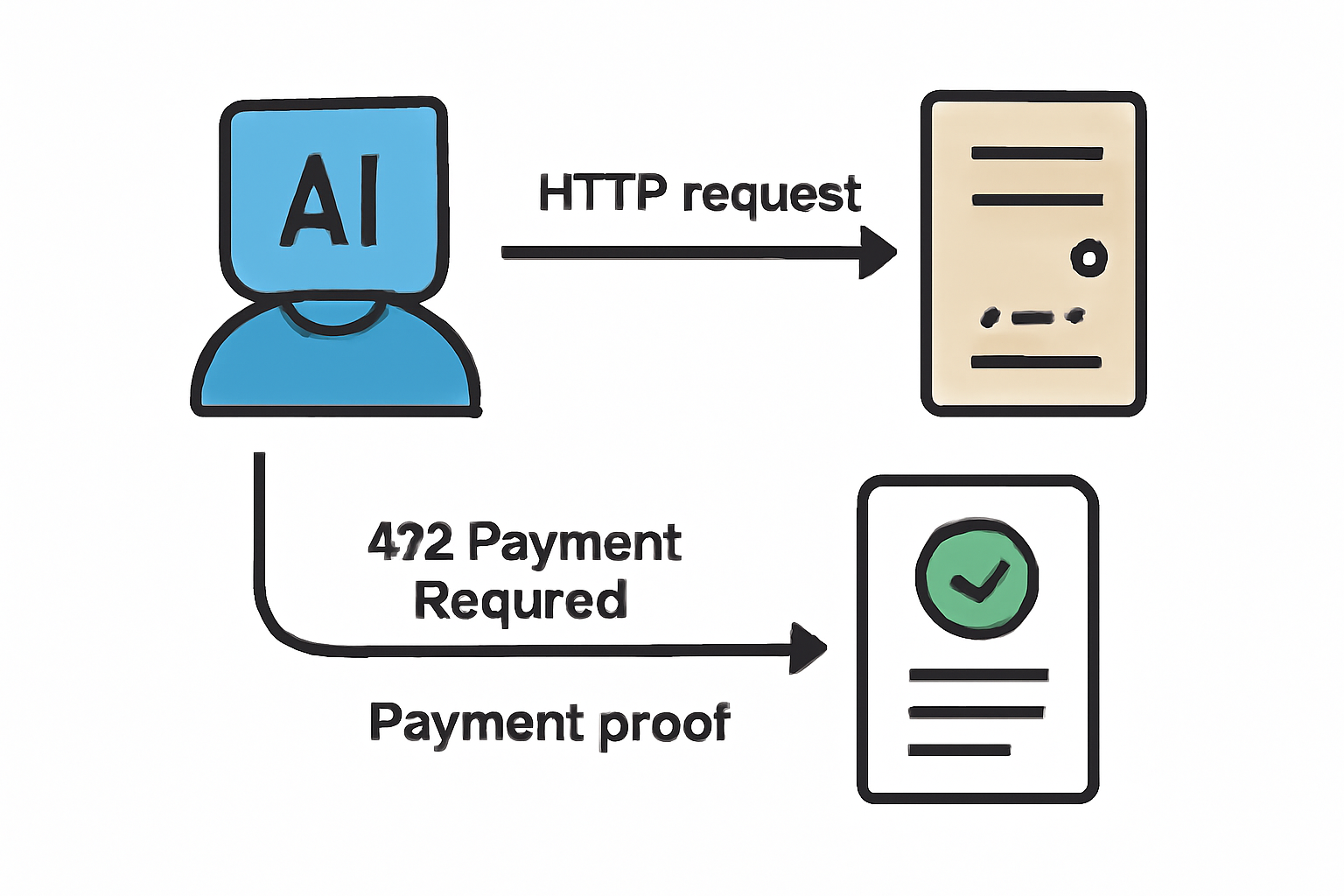
The magic of x402 lies in its elegant use of the HTTP 402 status code, a once-unused signal now revived for modern machine commerce. Here’s what happens under the hood:
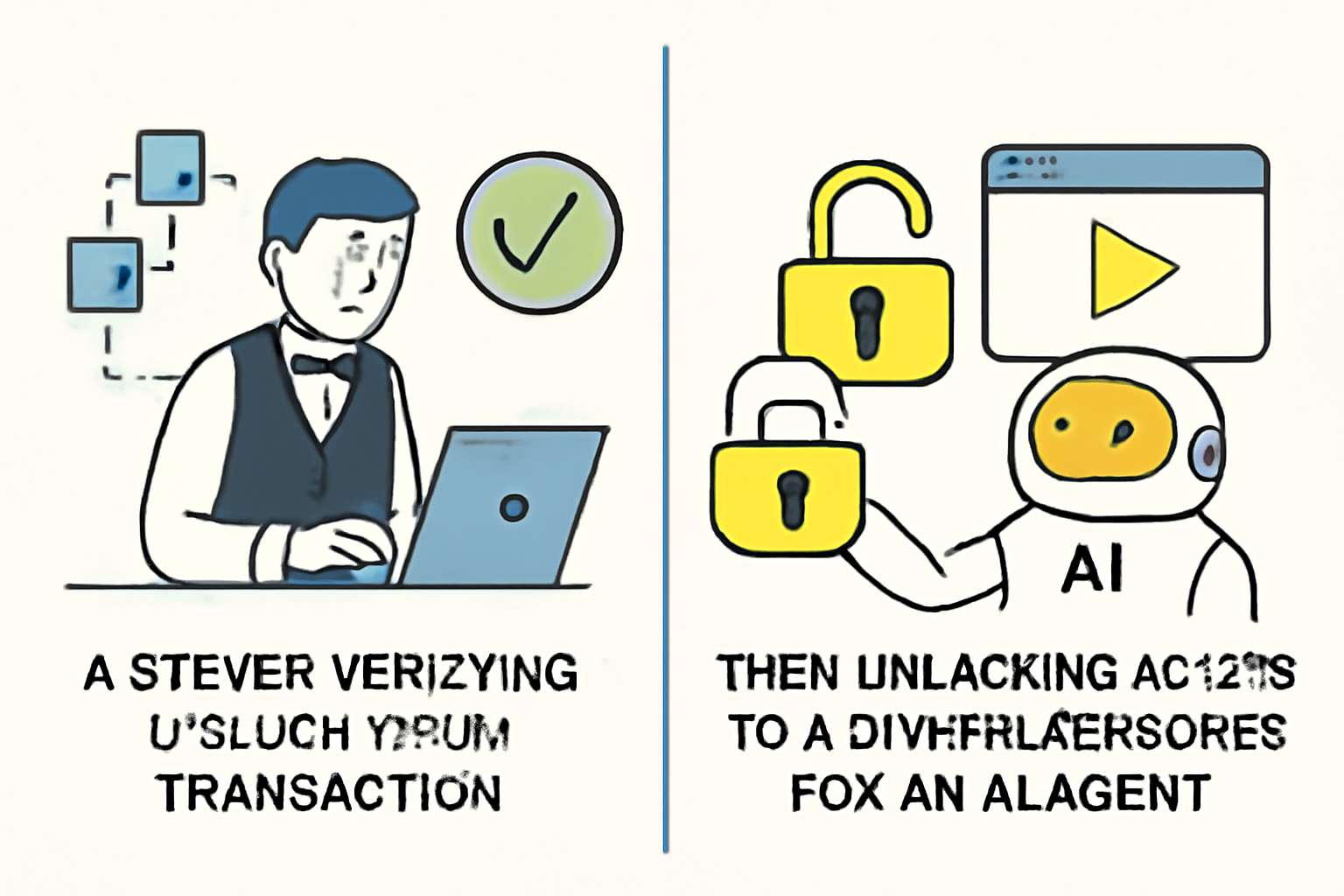
- An AI agent requests a protected resource (like an API endpoint).
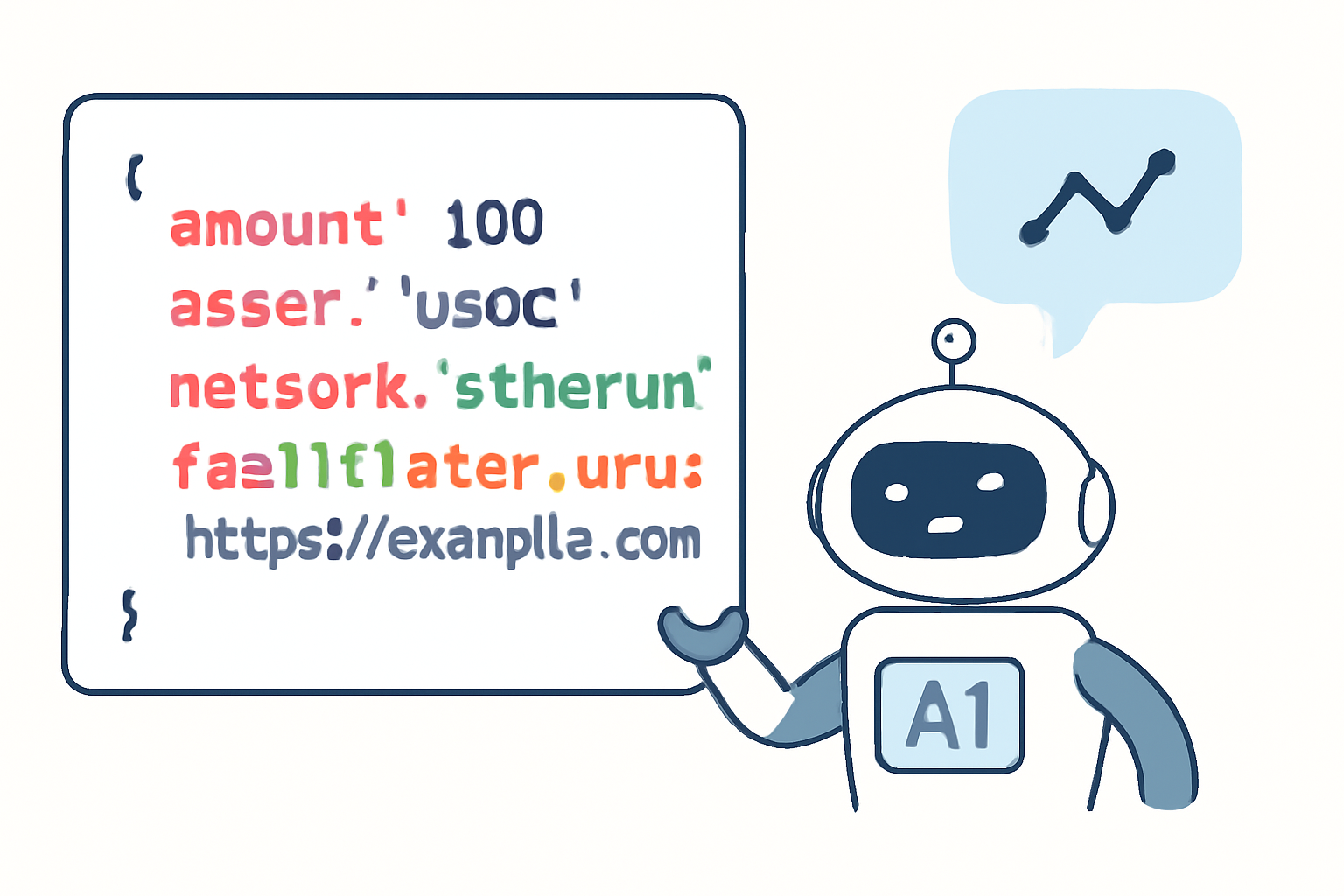
- The server responds with HTTP 402 “Payment Required, ” including payment instructions (amount in USDC, network details, facilitator URL).
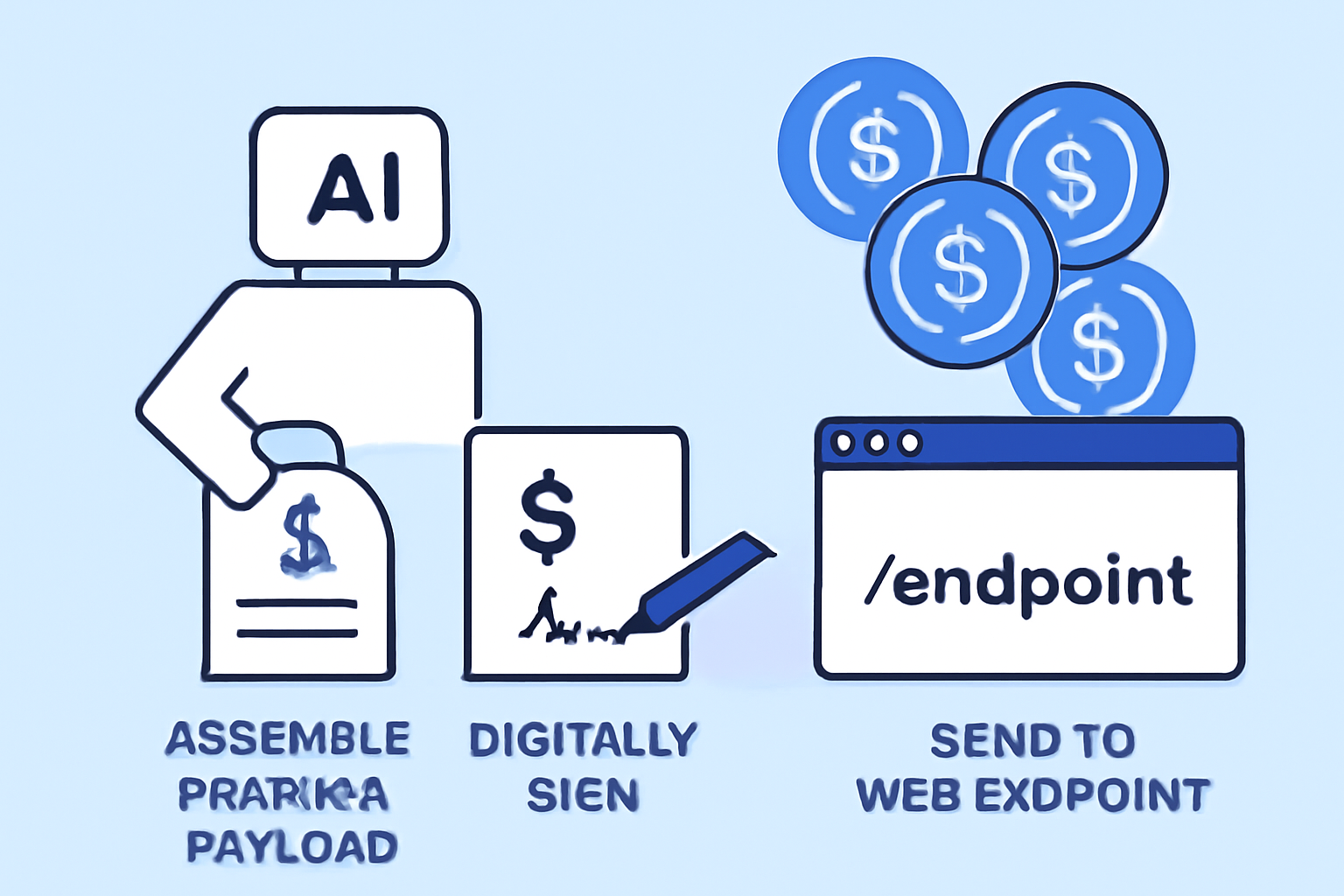
- The agent parses this response, constructs a payment transaction using its USDC-compatible wallet (on Ethereum, Solana, Base, or other supported chains), signs it with its private key, and sends it to the facilitator.
- Once payment is verified on-chain, the agent retries the original request, this time including proof of payment, and gains access.
This pattern unlocks true pay-per-use economics for digital services and APIs, no subscriptions required.
Integrate x402 Payment Intents for AI Agent USDC Micropayments
Setting Up Your Agent Wallet and Payment Discovery
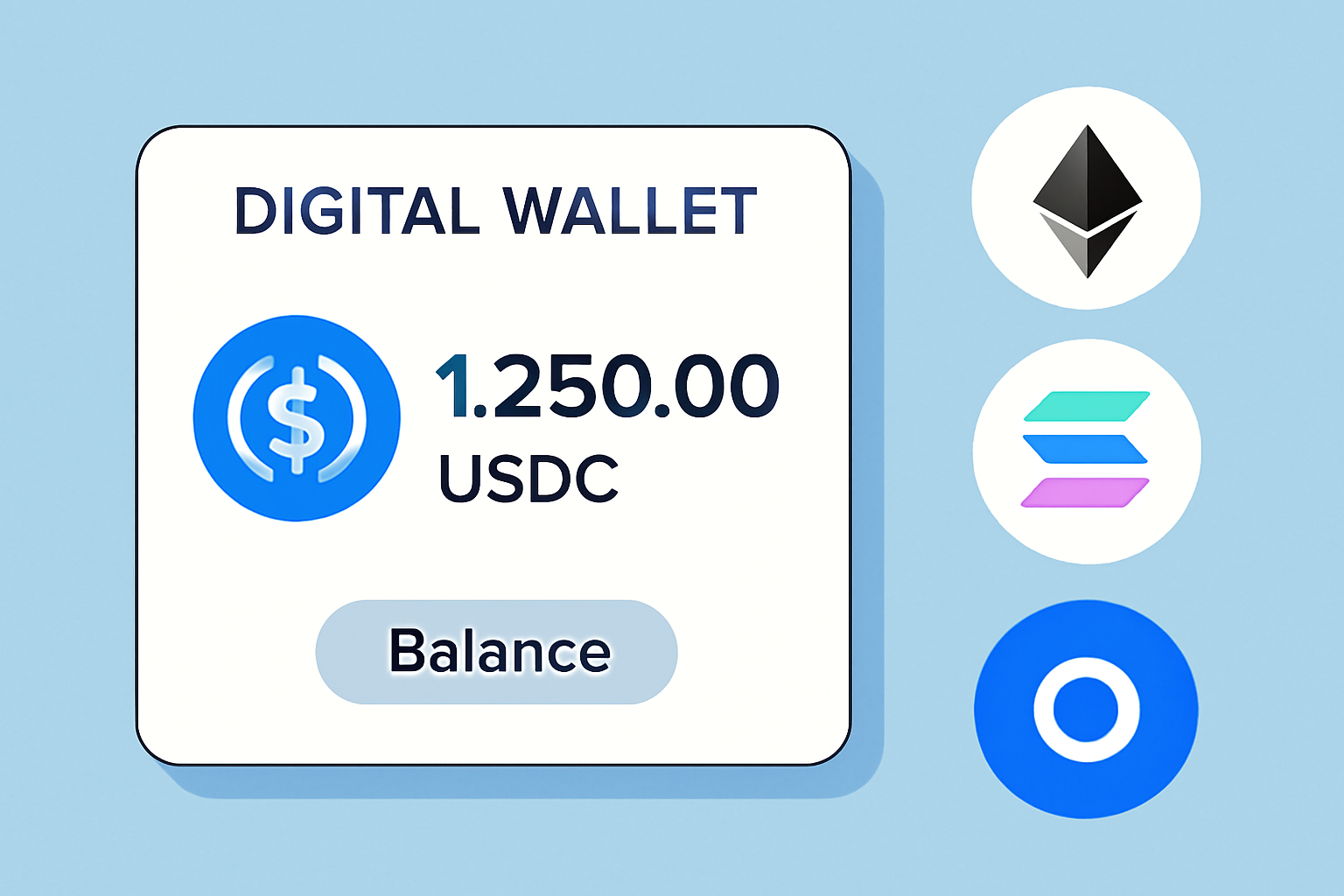
Before your AI agent can start transacting autonomously via x402 Payment Intents integration, it needs a secure wallet that supports USDC on your chosen blockchain network. Whether you’re building on Ethereum’s ERC-20 standard or exploring lower-fee options like Solana or Base, make sure your wallet can:
- Send and receive USDC payments
- Sign transactions programmatically (critical for full automation)
- Handle multi-network operations if you plan to support cross-chain APIs
Once set up, your agent must be able to parse a typical x402 payment-required response:
{ "amount": "1000000", "asset": "USDC", "network": "ethereum", "accepts":Automating USDC Payments for 402 Responses with x402 in Python
Here's a practical example of how you can handle a 402 Payment Required response and automate a USDC transaction using the x402 facilitator. This flow will help your AI agent seamlessly process micropayments in response to API requests.
import requests
import json

# Step 1: Make a request to the AI agent endpoint
response = requests.get('https://api.example.com/ai-agent-endpoint')

if response.status_code == 402:
    # Step 2: Parse the 402 Payment Required response
    payment_info = response.json()
    amount = payment_info['amount']
    asset = payment_info['asset']
    network = payment_info['network']
    facilitator_url = payment_info['facilitator_url']

    print(f"Payment required: {amount} {asset} on {network}")
    print(f"Facilitator URL: {facilitator_url}")

    # Step 3: Prepare your USDC payment payload
    # (In practice, you'd sign this with your wallet or use a secure key management system)
    payment_payload = {
        "amount": amount,
        "asset": asset,
        "network": network,
        "payer_address": "0xYourWalletAddress",
        # Add any other required fields per the x402 facilitator API
    }

    # Step 4: Send the payment to the facilitator endpoint
    payment_response = requests.post(facilitator_url, json=payment_payload)

    if payment_response.status_code == 200:
        print("Payment successful!")
        print(payment_response.json())
    else:
        print(f"Payment failed: {payment_response.status_code}")
        print(payment_response.text)
else:
    print("No payment required. Response:")
    print(response.text)
Remember to replace placeholder values like `0xYourWalletAddress` with your actual wallet address, and always secure your private keys and sensitive data!
Diving Deeper Into Integration Strategies?
If you’re looking for advanced guides, including Polygon/Solana support or A2A (Agent-to-Agent) workflows, check out our deep dives like this hands-on walkthrough.
With these foundations in place, you’re ready to unlock the full potential of x402 payment intents integration for AI-driven micropayments. Let’s walk through some best practices and advanced tips to ensure your implementation is robust, secure, and future-proof.
Best Practices for Real-Time On-Chain Payments API Integration
To get the most out of x402 and USDC, focus on these strategies:
- Optimize for Latency: Choose blockchain networks with low confirmation times. Base and Solana are increasingly popular for sub-second settlement, making them ideal for real-time API access.
- Monitor USDC Price Volatility: While USDC is a stablecoin, always reference the current market price provides $0.0375 as of this writing, to ensure accurate accounting in your application logic.
- Automate Error Handling: Build your agent to gracefully handle failed or delayed payments by retrying transactions or alerting administrators as needed.
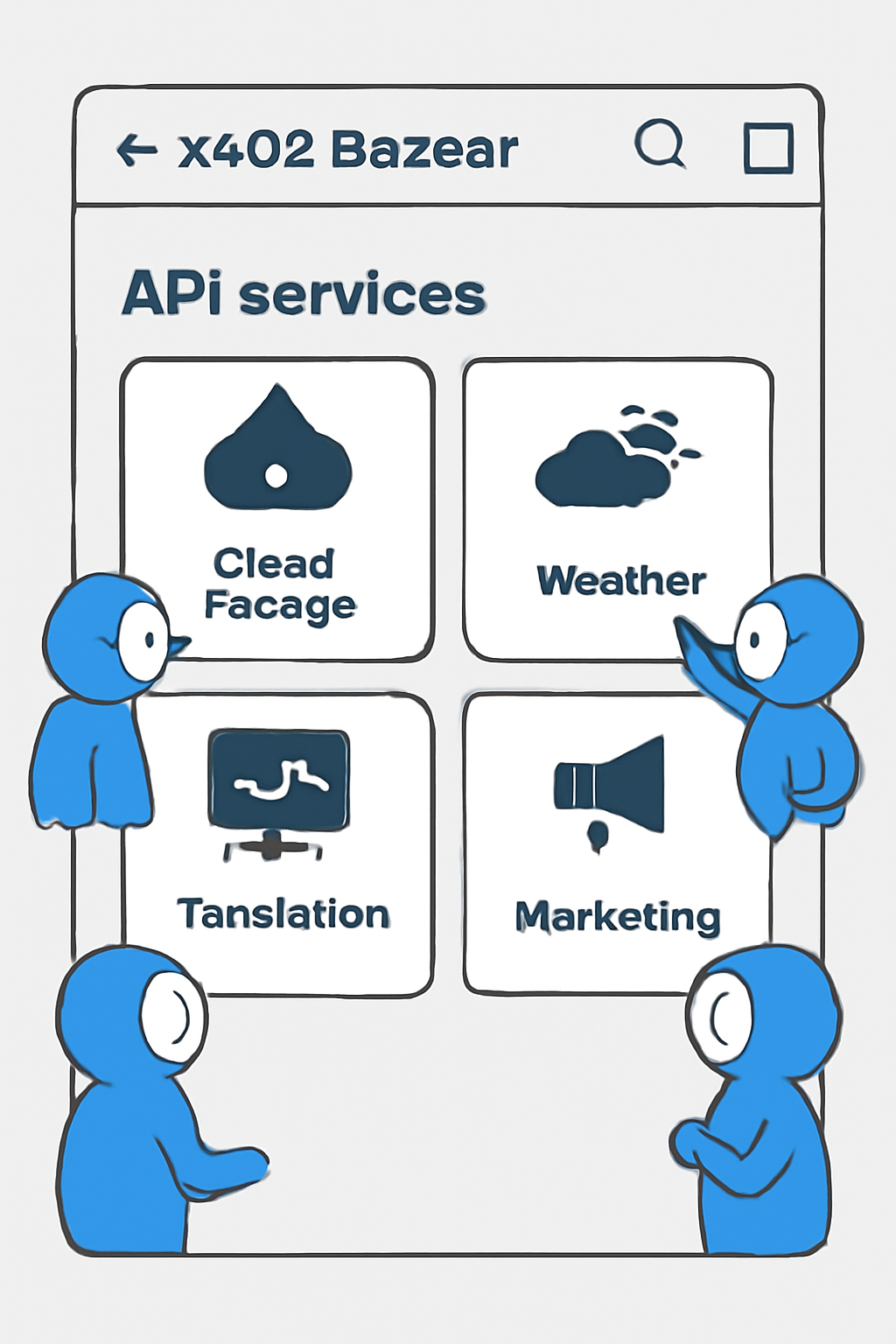
- Utilize Service Catalogs: Platforms like x402 Bazaar provide a machine-readable directory of APIs accepting x402 payments. Agents can auto-discover new services without manual intervention.
Security Considerations: Protecting Your AI Agent’s Wallet
The autonomous nature of payment agents means private keys must be handled with extreme care. Use hardware security modules (HSMs), secure enclaves, or trusted execution environments when possible. Rotate credentials regularly and restrict wallet permissions to only what’s necessary for payment operations.
Testing Your Integration: Sandbox Tools and Automation
Avoid risking real funds during development by leveraging testnets supported by x402 facilitators. Many SDKs and browser extensions, like x402 Autopay, offer simulation environments so you can validate flows before going live.
If you’re building more complex workflows (such as agent-to-agent payments or streaming pay-per-query models), explore our additional guides on topics like A2A crypto payments with x402.
Sample Code: Handling a 402 Response and Sending a USDC Payment
The following code snippet demonstrates how an AI agent could parse an HTTP 402 response and automatically initiate a USDC micropayment using Python. This example assumes the use of web3. py and requests libraries for Ethereum-compatible wallets:
Automating USDC Payments via x402 in Python
Here's a practical Python example that shows how to handle a 402 Payment Required response and automate a USDC transaction via the x402 facilitator. This script parses the payment details and sends the payment programmatically.
import requests

# Step 1: Make a request to the AI agent's endpoint
response = requests.post('https://api.example.com/ai-agent', json={"query": "your request here"})

if response.status_code == 402:
    # Step 2: Parse the payment-required JSON response
    payment_info = response.json()
    amount = payment_info['amount']
    asset = payment_info['asset']  # e.g., 'USDC'
    network = payment_info['network']  # e.g., 'polygon'
    facilitator_url = payment_info['facilitator_url']
    payment_memo = payment_info.get('memo', 'Payment for AI agent')

    print(f"Payment required: {amount} {asset} on {network}")
    print(f"Facilitator endpoint: {facilitator_url}")

    # Step 3: Prepare payment payload (you would need to securely manage your wallet/private key)
    payment_payload = {
        "amount": amount,
        "asset": asset,
        "network": network,
        "from_address": "YOUR_WALLET_ADDRESS",
        "to_address": payment_info['to_address'],
        "memo": payment_memo,
        # You may need to sign the transaction or provide an API key/token depending on your facilitator
    }

    # Step 4: Send payment to the x402 facilitator endpoint
    payment_response = requests.post(facilitator_url, json=payment_payload)

    if payment_response.status_code == 200:
        print("Payment successful! Access granted.")
    else:
        print(f"Payment failed: {payment_response.text}")
else:
    print("No payment required. Response:", response.text)
Remember to replace placeholders like `YOUR_WALLET_ADDRESS` with your actual wallet information, and ensure you handle private keys securely in a production environment. Also, the exact payment payload may vary depending on your x402 facilitator's API.
What’s Next? The Future of Machine-Native Commerce
The pace of innovation around x402 payment intents integration, AI agent micropayments with USDC, and HTTP-native crypto commerce is only accelerating. As more APIs adopt pay-per-use models, and as stablecoins like USDC become even more ubiquitous, expect to see entire ecosystems where machines transact seamlessly on behalf of users.
If you’re ready to go deeper into autonomous microtransactions or want hands-on examples across multiple chains, don’t miss our tutorials such as autonomous API microtransactions with x402.
The bottom line? By integrating x402 Payment Intents today, you’re not just enabling frictionless payments, you’re laying the groundwork for a programmable economy where value moves at machine speed. Stay curious, keep experimenting, and join the growing community shaping this new frontier in digital commerce!



No comments yet. Be the first to share your thoughts!