

API monetization is evolving rapidly, and the X402 Payment Intents protocol is at the forefront of this transformation. Instead of relying on clunky subscription models or complex API key management, X402 leverages the HTTP 402 Payment Required status code to enable pay-as-you-go crypto payments for APIs and digital content. This approach is frictionless, blockchain-agnostic, and perfectly suited for developers, businesses, and crypto enthusiasts looking to streamline access and revenue in a web-native way.

Why Monetize Your API with X402?
Traditional API monetization strategies often force you into rigid pricing tiers or require extensive onboarding, which can deter potential users. With X402, you can:
- Accept instant crypto microtransactions (including USDC and other stablecoins)
- Remove friction for both human and machine clients, no need for registration, OAuth, or email verification
- Enable real-time, per-request billing rather than monthly or yearly commitments
- Expand your reach to global users who prefer or require crypto payments
The protocol is open standard and designed to be simple to integrate, making it accessible whether you're running a single endpoint or a large-scale SaaS platform.
How X402 Payment Intents Work: The Pay-As-You-Go Model
At the core of the X402 approach is a straightforward workflow:
- Client requests an API resource.
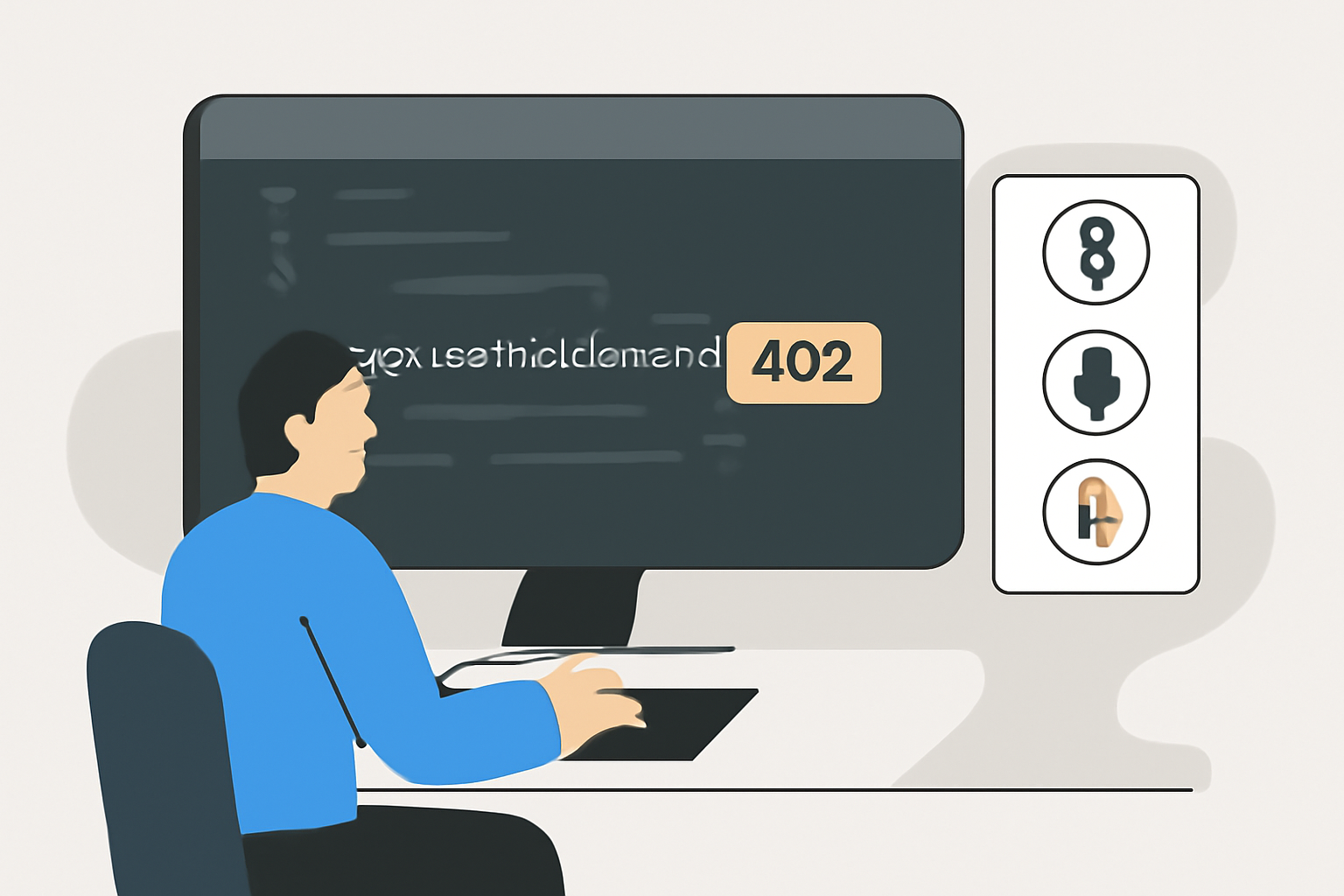
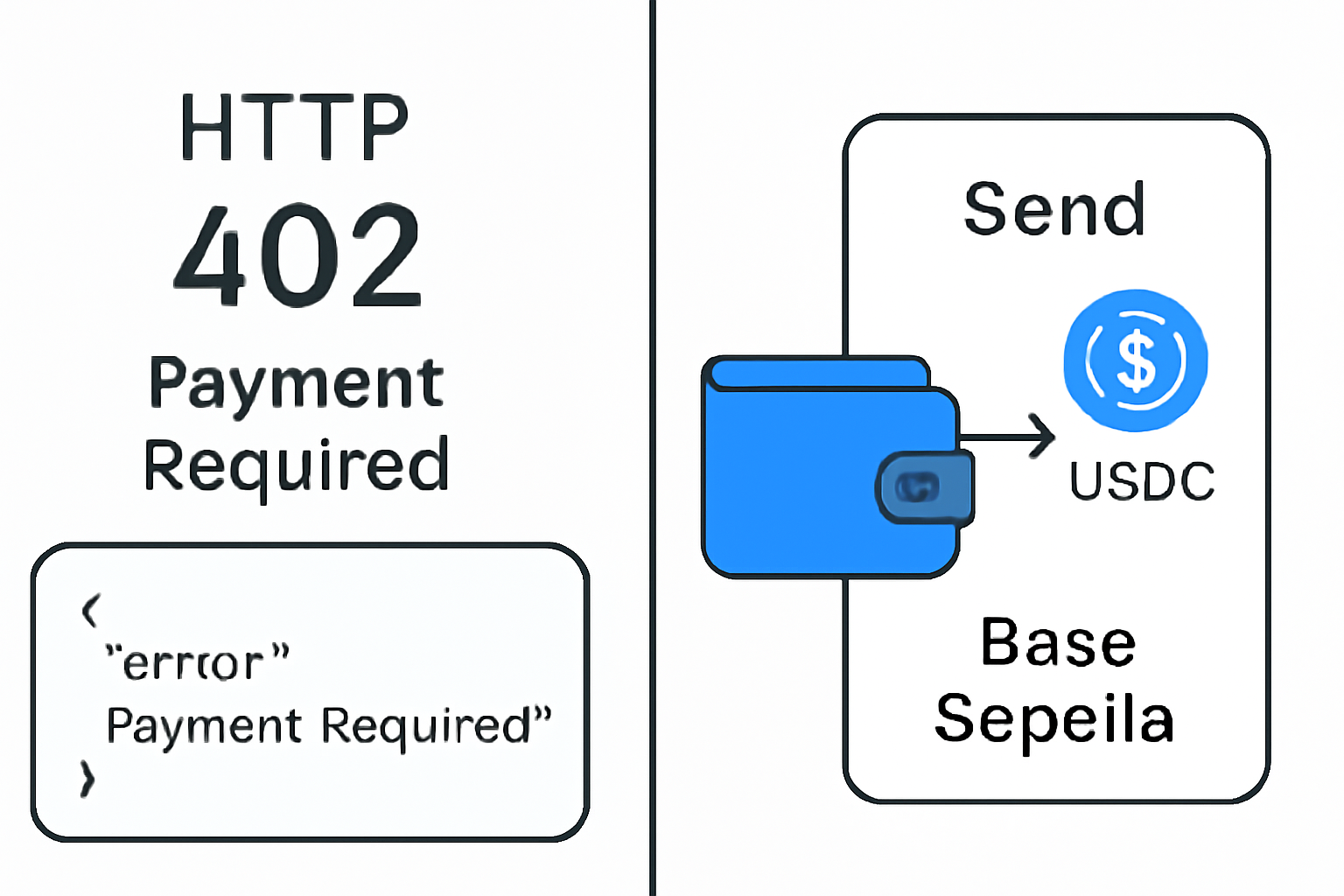
- Server checks for payment. If payment is missing or insufficient, it responds with HTTP 402 and payment instructions in the headers.
- Client sends payment on-chain (e. g. , USDC on Base, Ethereum, or other networks).
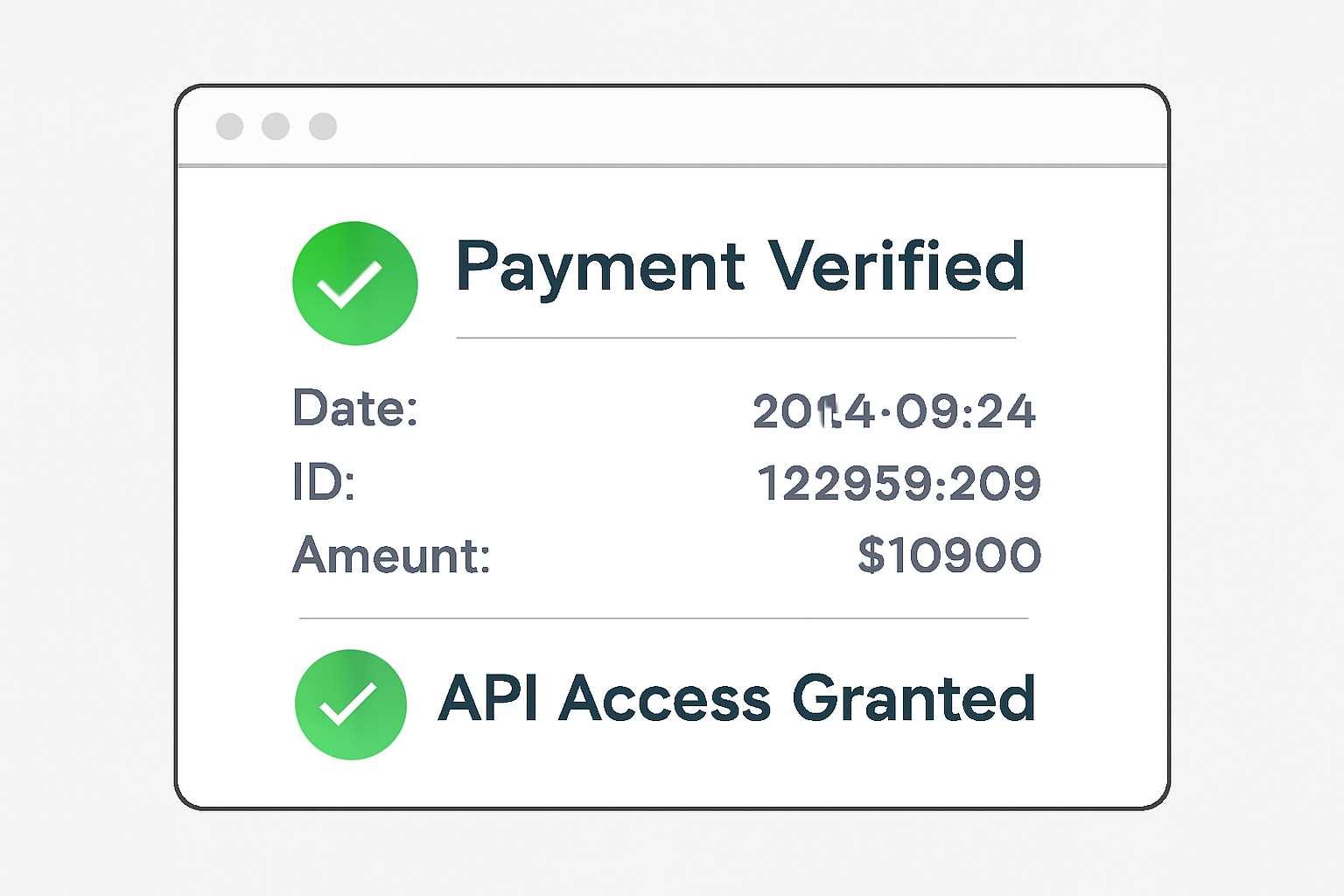
- Server verifies payment and grants access to the requested resource.
This flow is both machine-native and user-friendly, supporting streaming payments, prepaid credits, and traditional one-time transactions. For in-depth protocol details and implementation guidelines, review the official x402 documentation.
Essential Tools and Services for X402 Integration
Several platforms and SDKs have emerged to make X402 adoption seamless for developers:
- PipeGate - Open-source API monetization with streaming payments and no API key management.
- PayAI - Documentation and tools for on-chain payments within your existing stack.
- Proxy402 - Instantly monetize any web content with a crypto paywall.
- HTTPayer - Automated payments for both Web2 and Web3 apps with SDKs and CLI tools.
- Thirdweb SDK - Monetize backend and agent services with automatic crypto payments.
Choosing the right facilitator depends on your stack and monetization goals. Facilitators handle payment verification and settlement, reducing the complexity of on-chain logic in your codebase.
Step-by-Step: Enabling Pay-As-You-Go Monetization with X402
Enable Pay-As-You-Go API Monetization with x402 Payment Intents
Integrating X402 is refreshingly straightforward. Start by reviewing the Coinbase x402 facilitator guide, then select a facilitator service that matches your needs. From there, you'll:
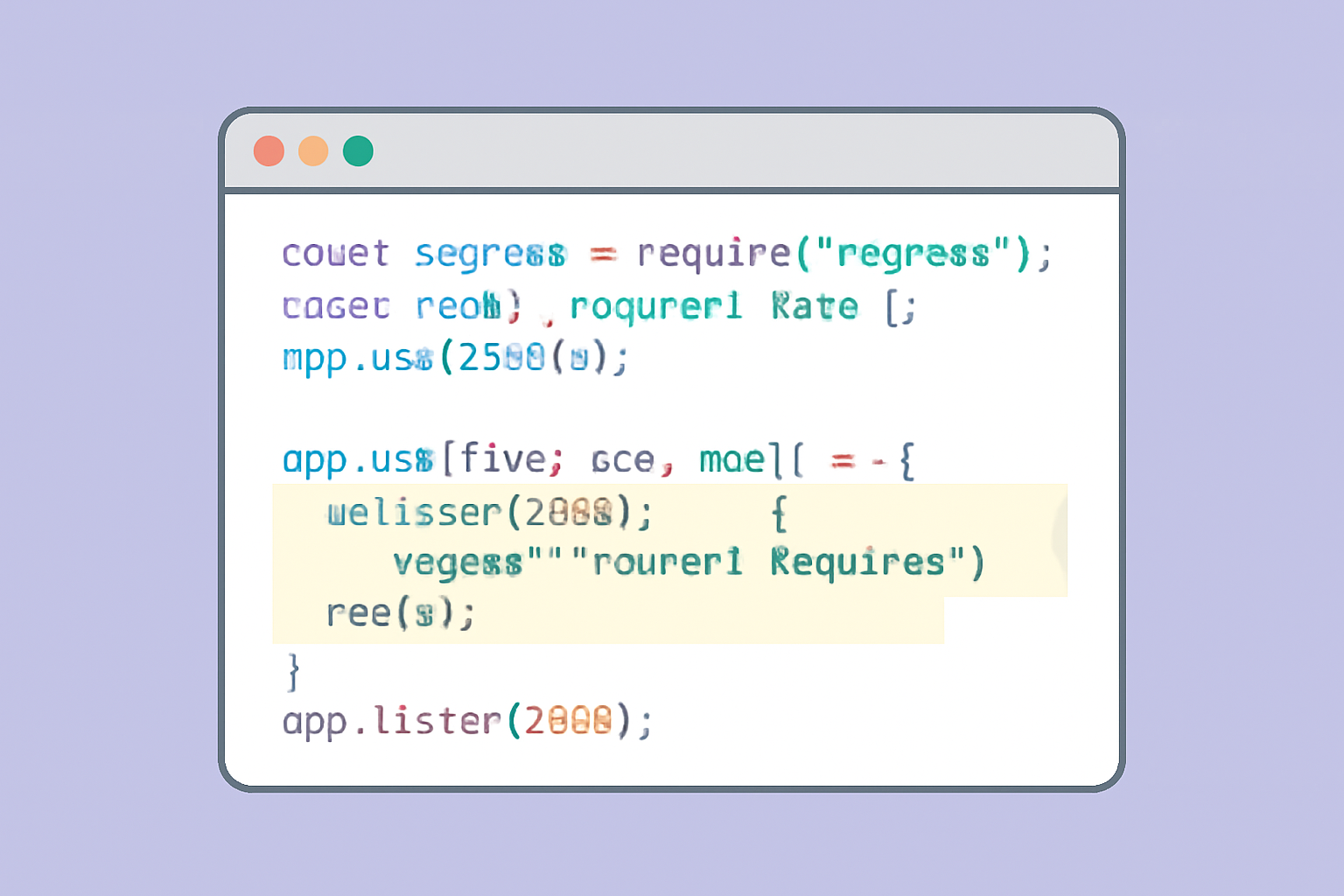
- Add X402 middleware to intercept requests and issue 402 responses when payment is required.
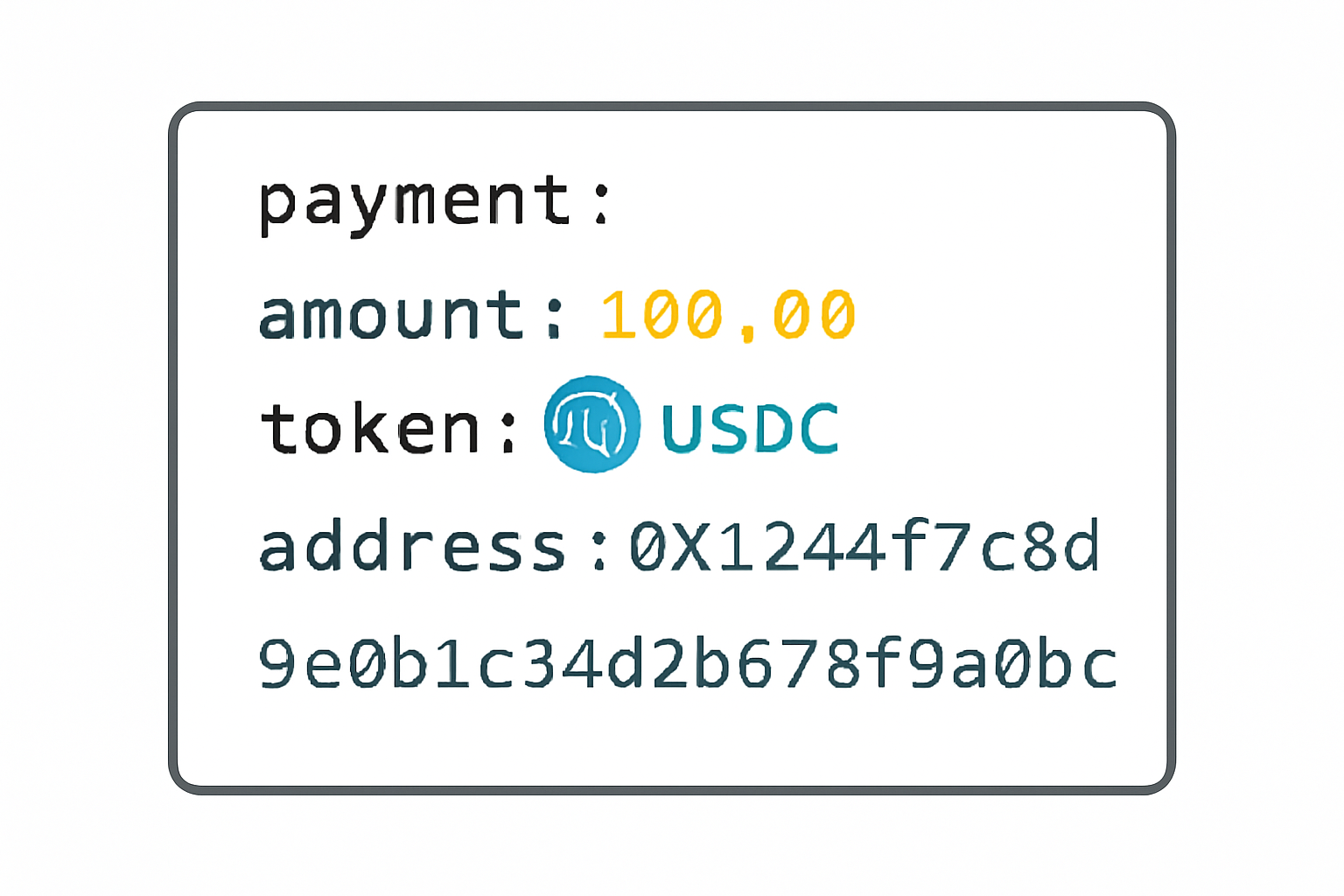
- Define payment parameters (amount, accepted assets, destination address) in the response headers.
- Implement logic to verify incoming payments and grant access once validated.
This modular approach lets you monetize any API endpoint or web resource with minimal changes to your existing infrastructure.
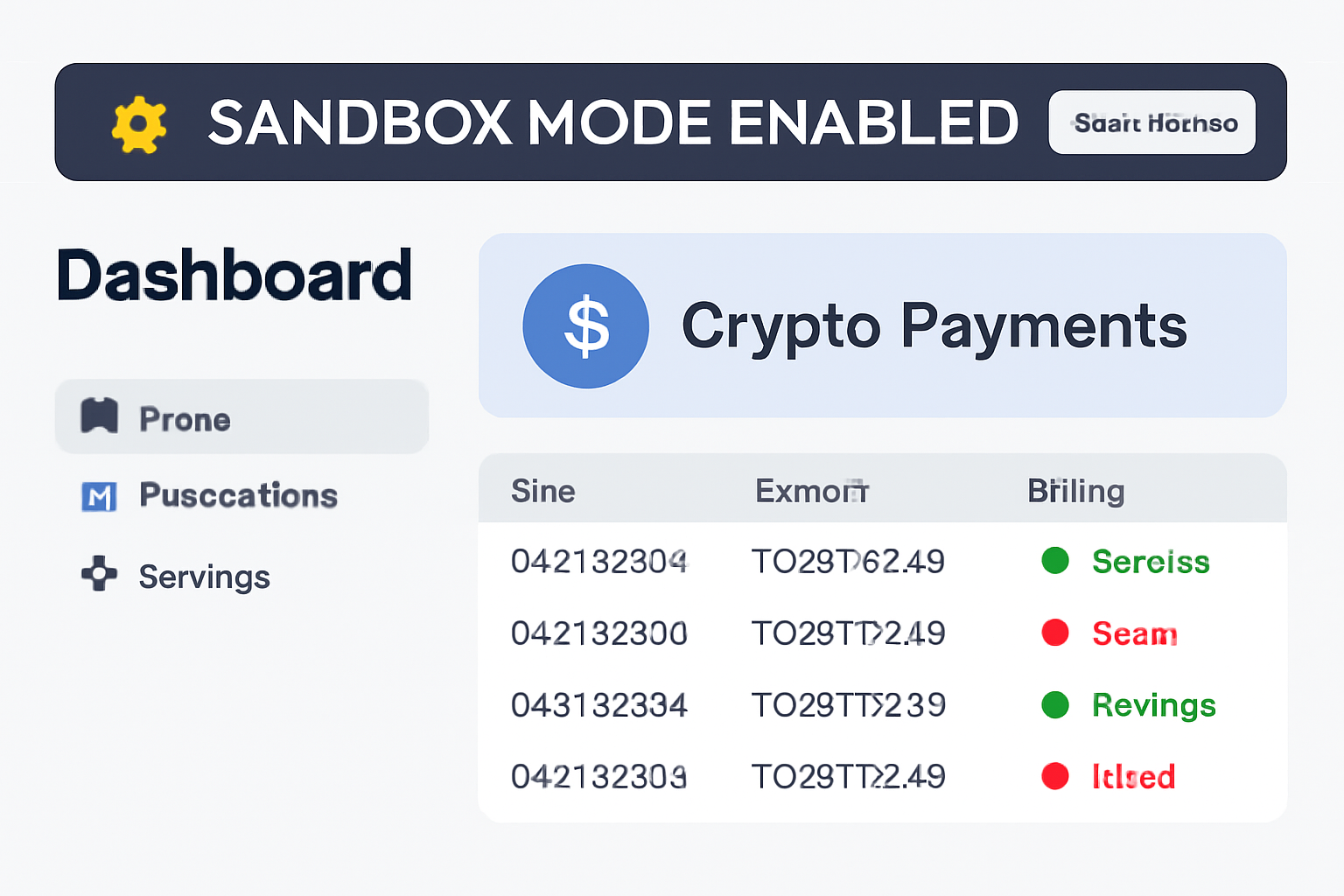
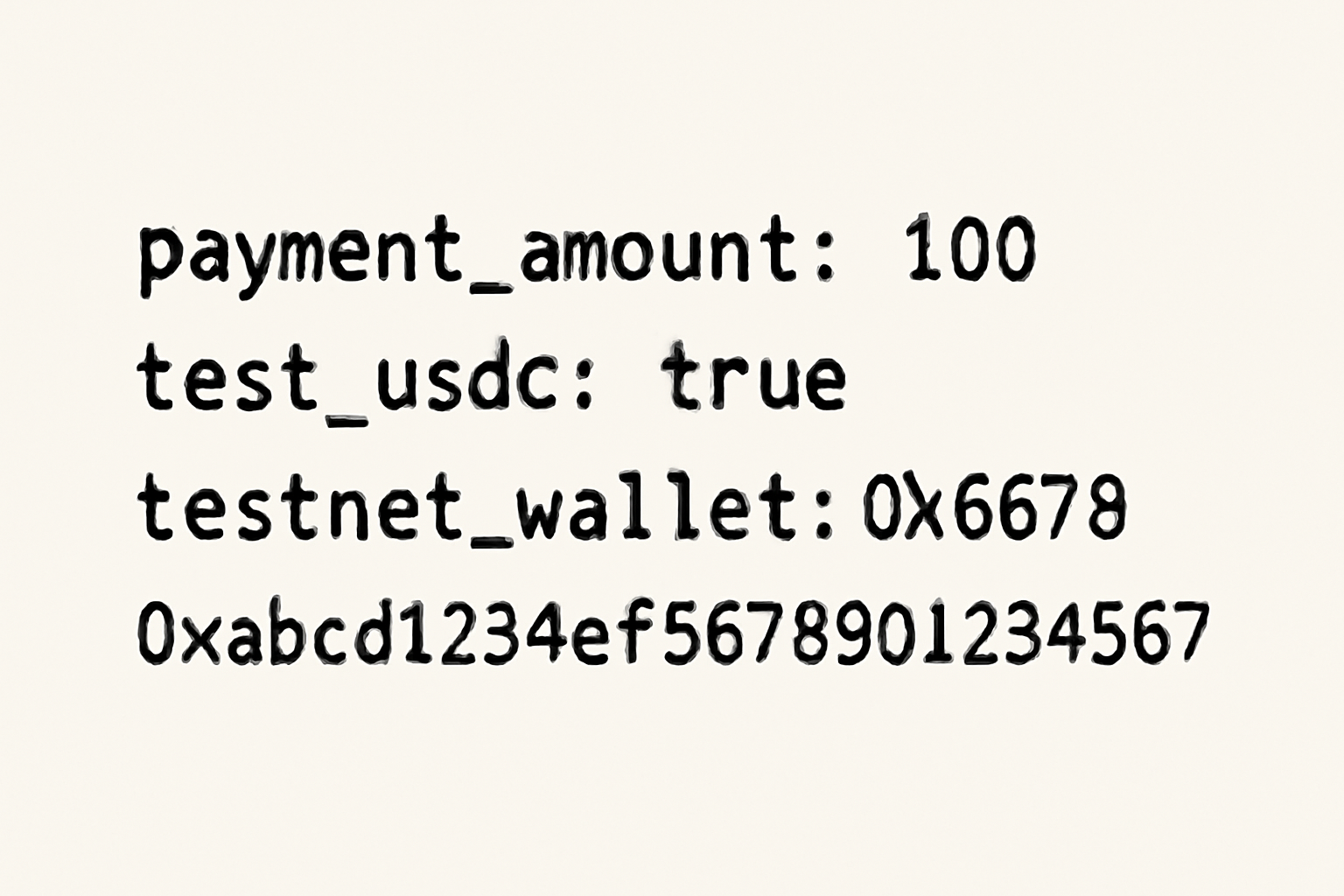
Testing is essential before going live. Simulate real-world payment flows using testnets like Base Sepolia, ensuring your middleware properly issues HTTP 402 responses and unlocks resources post-payment. Many facilitator platforms offer sandbox environments so you can confirm end-to-end functionality without risking mainnet funds.
Key Benefits of X402 API Monetization
- Instant, On-Chain Settlement: Payments are processed directly on-chain, enabling real-time access to API resources without waiting for off-chain confirmation or manual intervention.

- Blockchain Agnostic: X402 supports multiple blockchain networks and tokens, including stablecoins like USDC, giving developers and businesses flexibility in choosing payment rails.

- Frictionless Integration: Minimal changes are required to existing server infrastructure—no need for complex account systems, OAuth, or API key management—making it easy to add pay-as-you-go monetization.
- Machine-Native Payments: X402 enables autonomous agents and applications to programmatically pay for API usage, supporting new use cases like AI agents and automated workflows.

- Granular, Usage-Based Pricing: Move beyond subscription models and offer pay-per-request or streaming payments, letting users pay only for what they consume.

- Privacy and User Simplicity: Users can access paid APIs without registration, email, or account creation, reducing friction and enhancing privacy.

- Supported by Leading Tools: Integrate with established platforms like PipeGate, PayAI, Proxy402, HTTPayer, and Thirdweb SDK for streamlined integration and payment management.
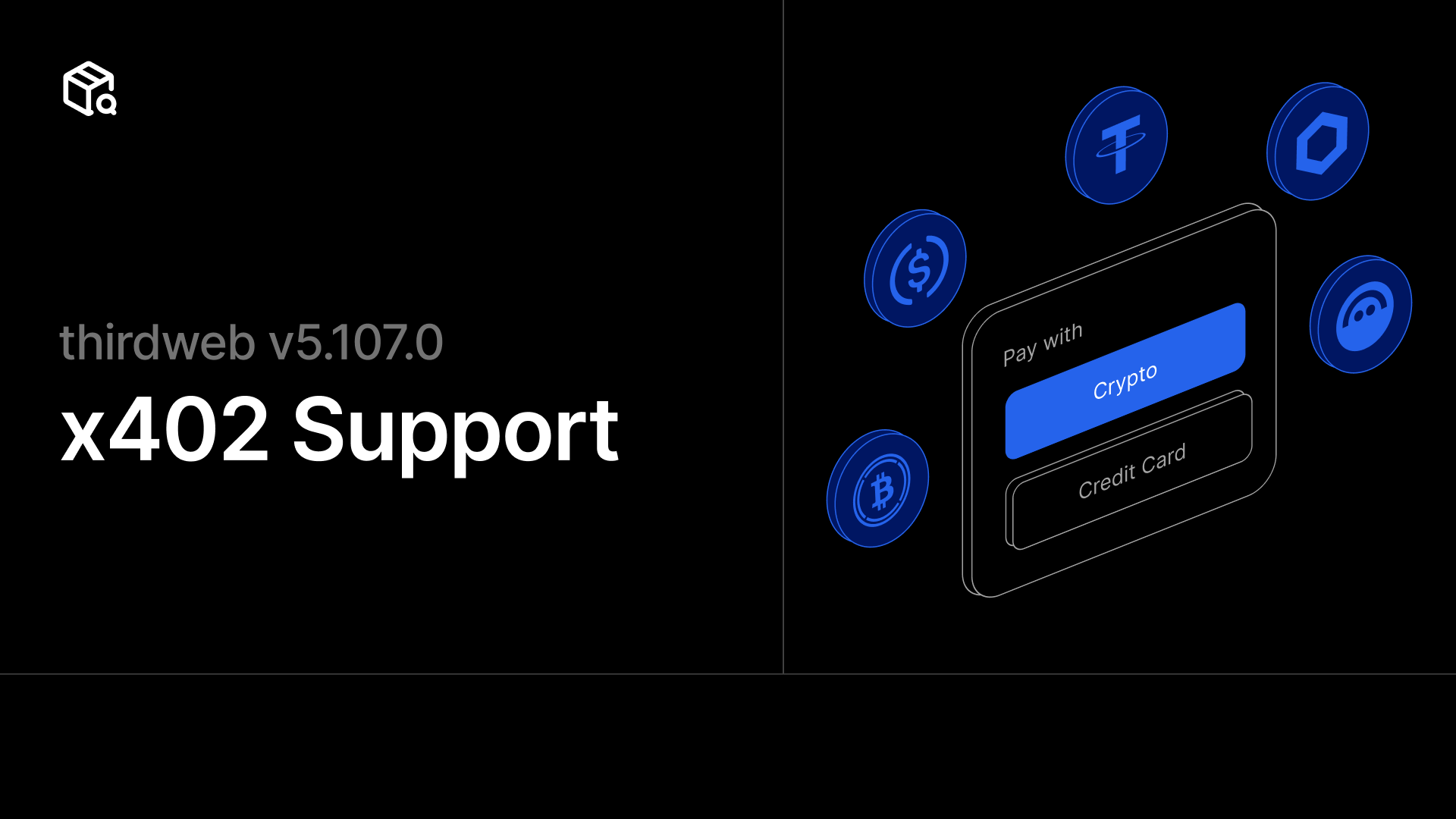
Beyond the core protocol, the X402 ecosystem is expanding rapidly. For example, PipeGate supports streaming payments and prepaid credits, while Proxy402 lets you create instant crypto paywalls for any web content. If you’re building AI agents or automation workflows, Thirdweb SDK and PayAI both offer robust support for machine-native payments.
Best Practices for Secure and Reliable Monetization
While X402 streamlines payments, security and reliability are still paramount. Make sure to:
- Use secure wallet management for your receiving addresses, ideally with hardware wallets or multi-sig setups.
- Validate payment amounts and tokens precisely, rejecting underpayments or unsupported assets.
- Monitor on-chain transactions with automated tools to detect and resolve payment issues in real time.
- Log all payment-related events for auditing and troubleshooting.
Remember, the beauty of the HTTP 402 Payment Required approach is that it’s stateless. You don’t need to store user accounts or manage API keys, reducing your attack surface and operational overhead.
How to Test Your X402 Payment Intents Integration Using Testnet & Facilitator Sandbox

Real-World Use Cases: Unlocking New Revenue Streams
The flexibility of X402 Payment Intents unlocks a range of monetization models:
- Pay-per-call APIs: Charge developers or end users per request, ideal for data, analytics, or inference endpoints.
- Streaming payments: Meter usage in real time - perfect for AI, IoT, or content delivery services.
- One-time unlocks: Offer downloadable assets or single-use API actions without requiring account creation.
- Automated agent-to-agent payments: Enable autonomous software agents or bots to transact with your API natively, using crypto as the medium.
Whether you’re a solo developer or running a SaaS at scale, X402 makes it possible to experiment with pricing, reach new global audiences, and reduce churn by eliminating subscription lock-in.
Next Steps: Start Monetizing with X402 Today
If you’re ready to transform how you monetize APIs or digital content, start by reading the official X402 documentation. Pick a facilitator that fits your needs, implement the middleware, and test thoroughly on a testnet. With pay-as-you-go crypto payments, you’ll not only simplify your business model but also future-proof your platform for the next wave of internet-native commerce.




No comments yet. Be the first to share your thoughts!