
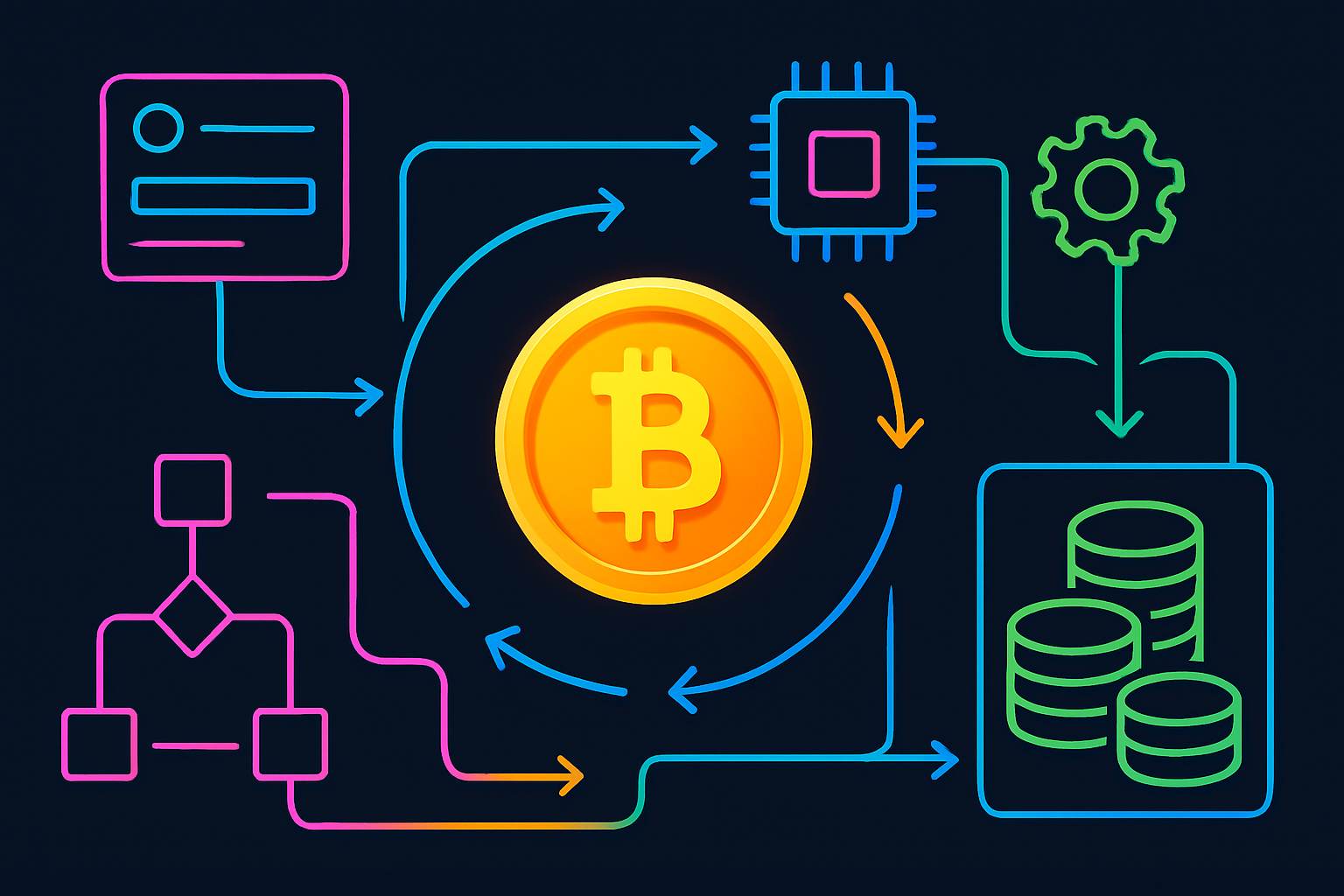
Crypto payments are moving from the fringes to the heart of digital commerce, and the HTTP Payment Protocol integration with Coinbase X402 is leading this shift. If you’re a developer or business owner searching for a secure, frictionless way to accept crypto payments, X402 offers a future-proof solution that’s as seamless as it is powerful. With Coinbase Global Inc (COIN) currently trading at $320.33, there’s never been a better time to ride the wave of on-chain payment innovation.

Why Choose X402 for Crypto Payments?
The days of clunky wallet pop-ups and endless manual confirmations are fading fast. The X402 protocol revitalizes the HTTP 402 “Payment Required” status code, embedding payment flows directly into standard HTTP requests and responses. This means you can monetize APIs, premium content, or digital services without forcing users through complex signups or third-party gateways. Whether you’re building an AI-powered SaaS tool or gating high-value datasets, X402 makes it possible to charge per use with instant stablecoin settlements.
What sets X402 apart?
- Chain-agnostic and amp; open-source: Works across multiple blockchains and integrates easily with your existing infrastructure.
- Micropayment support: Monetize even the smallest interactions - perfect for API calls, pay-per-view content, or IoT devices.
- No wallet extensions required: Payments happen right inside HTTP headers - no browser plugins needed.
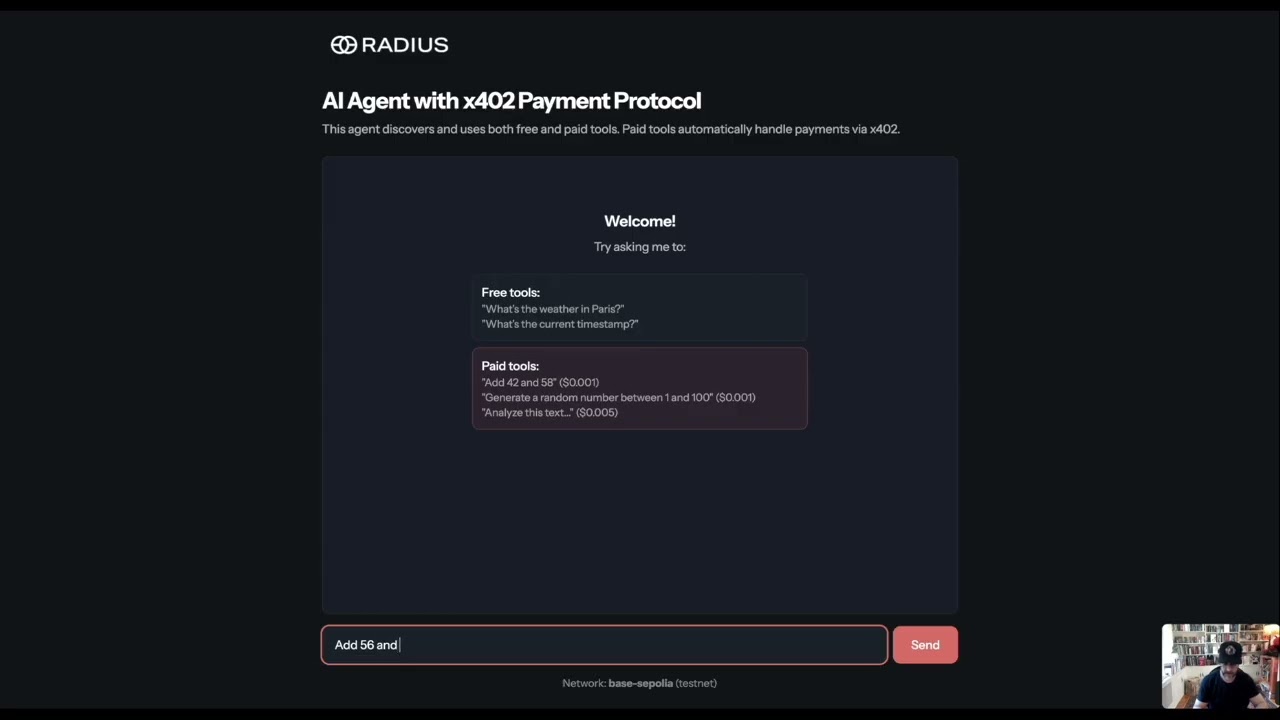
- AI and amp; automation ready: Autonomous agents can transact without human intervention, unlocking new business models.
The internet-native payment protocol is here: fast, cheap, and AI-friendly payments over HTTP. – Coinbase
X402 Payment Flow: How It Works in Practice
The magic of X402 lies in its simplicity. Here’s what an end-to-end transaction looks like when using the protocol:
Step-by-Step Visual Guide: The x402 Crypto Payment Flow
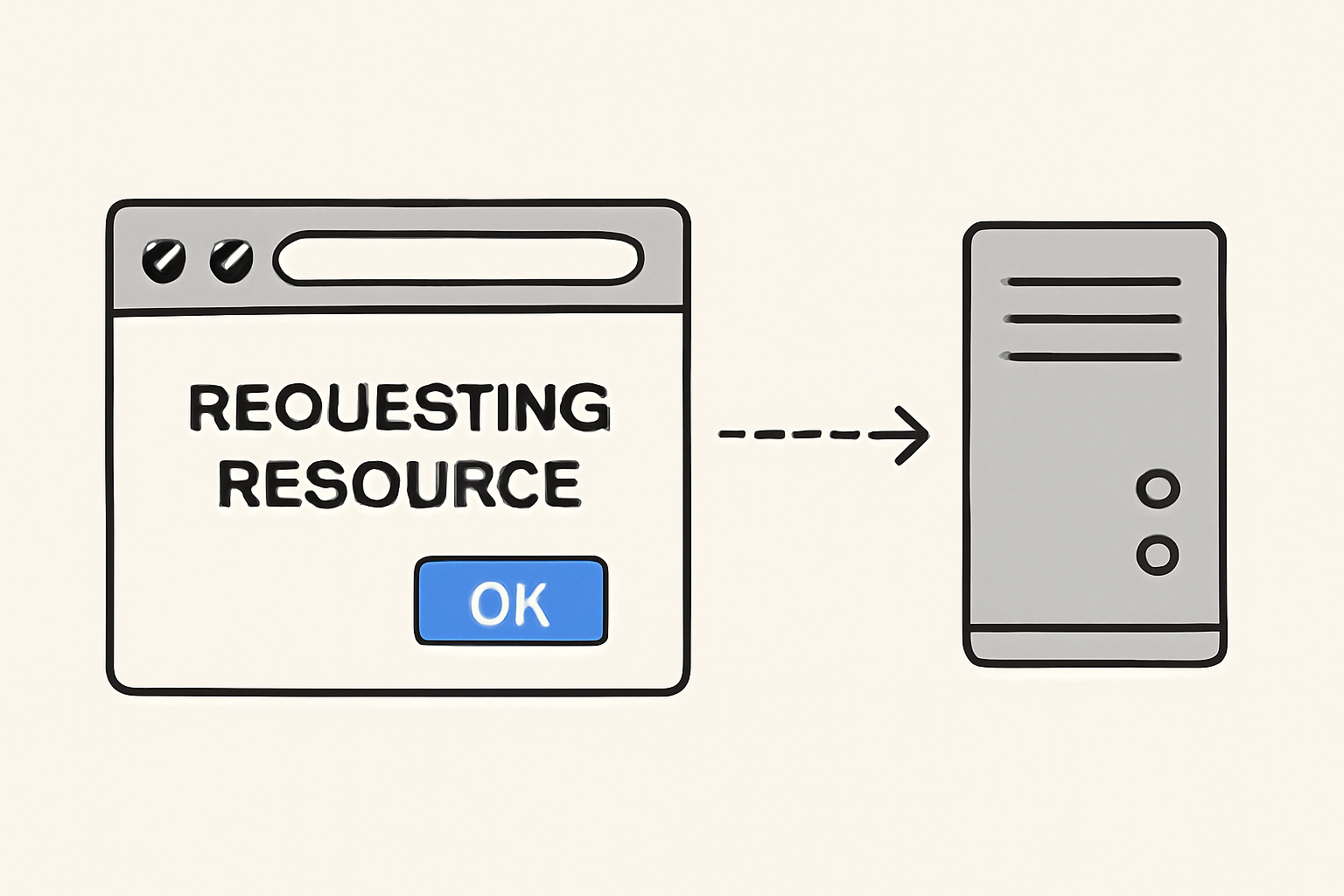
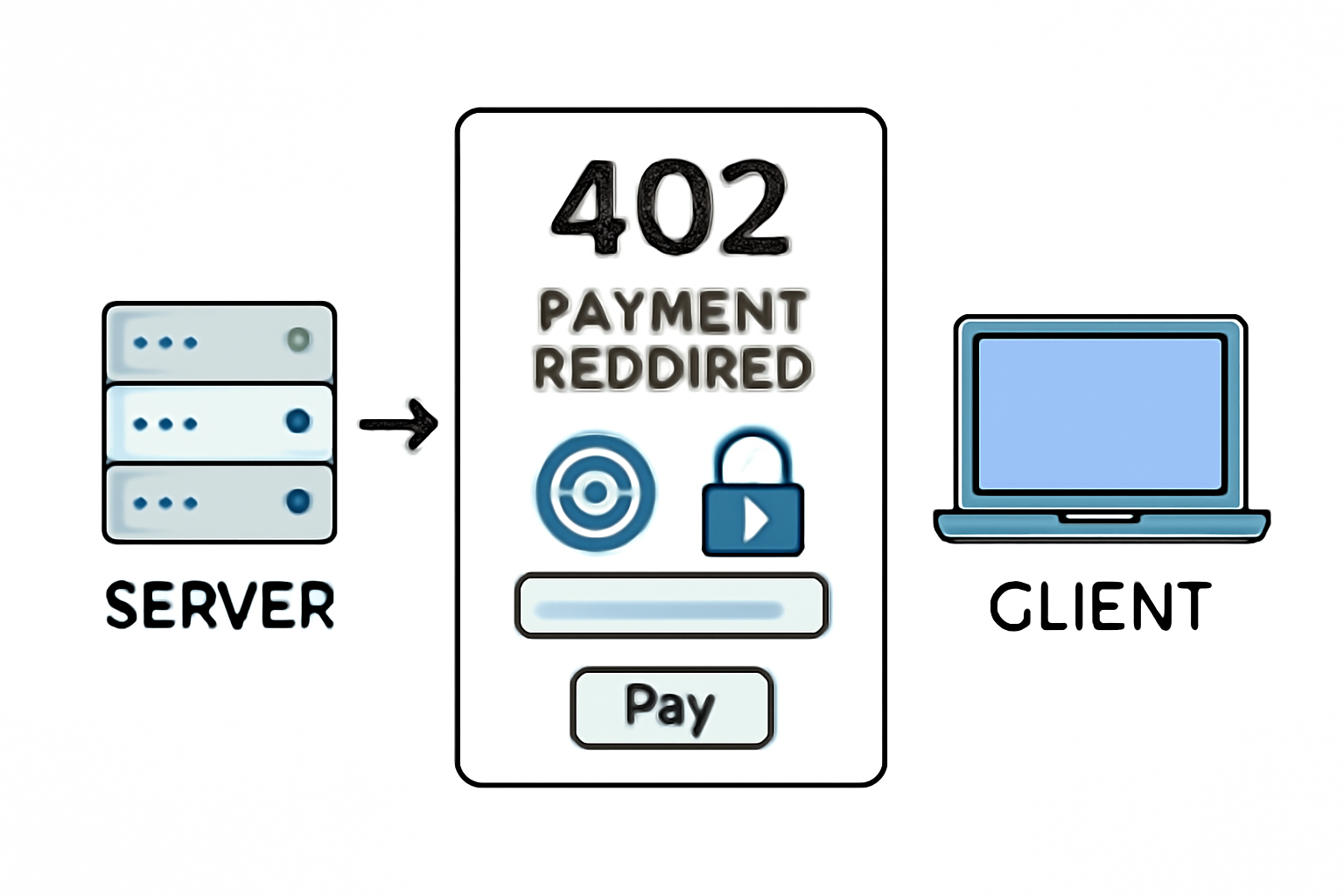
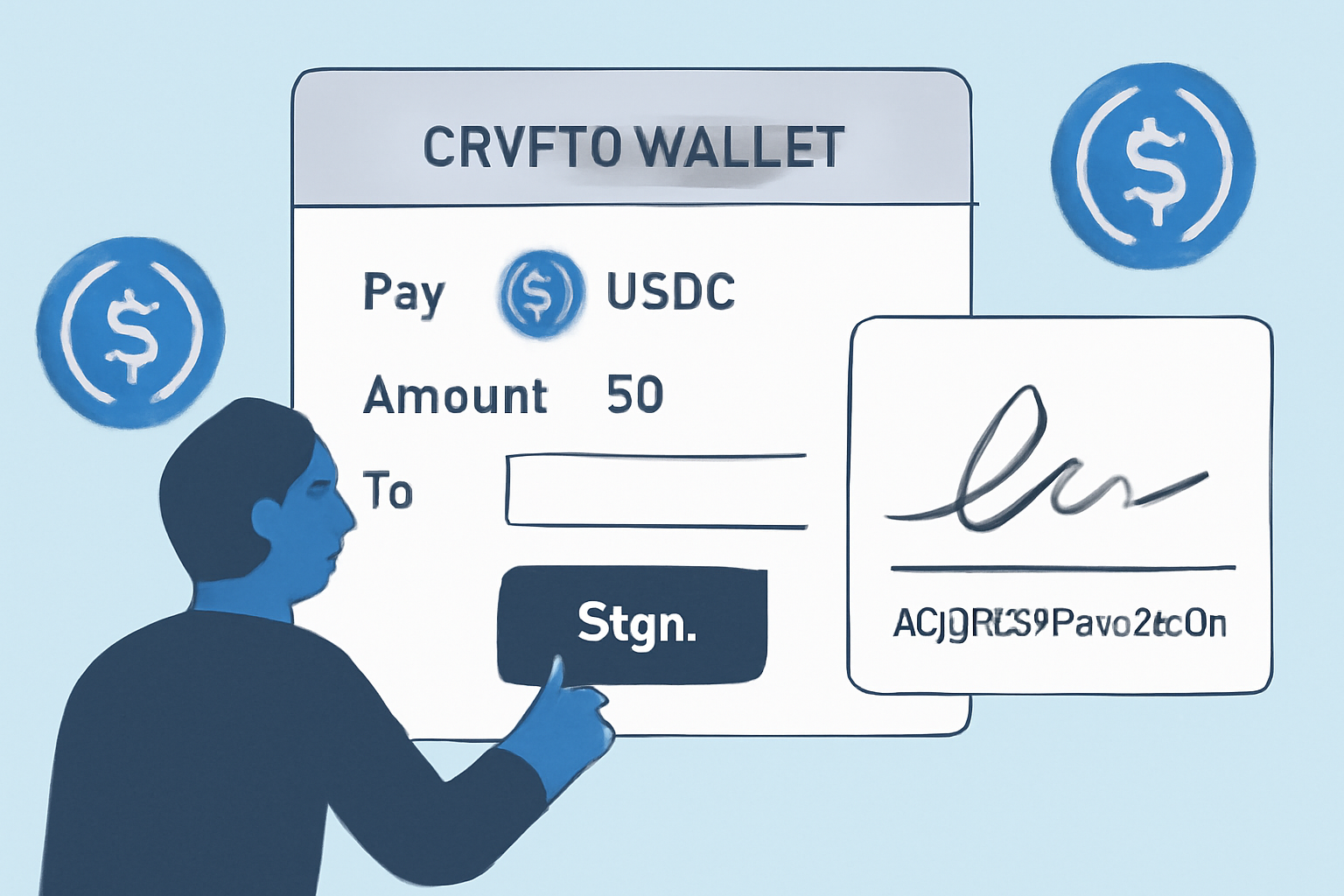
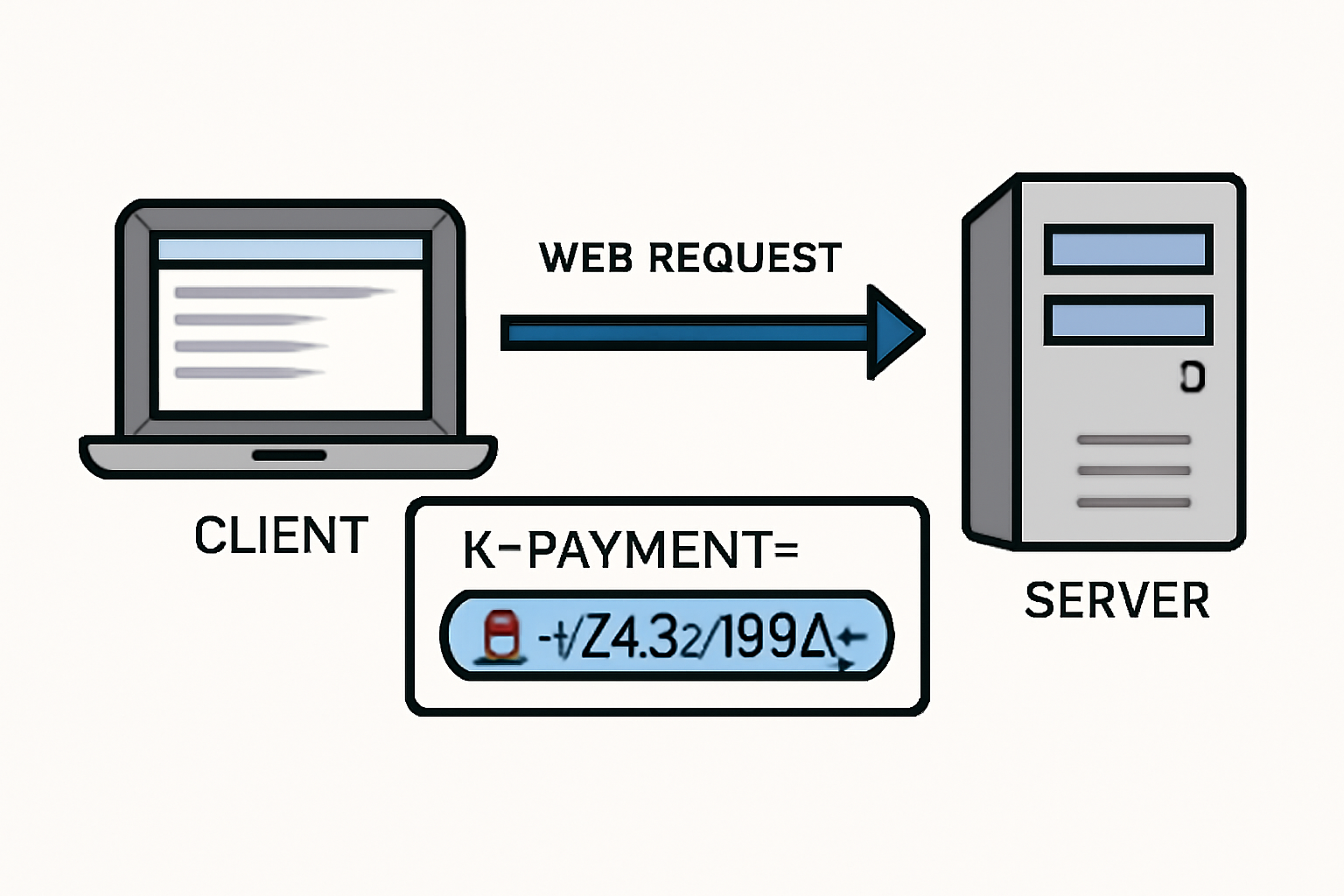


This streamlined process lets your application handle payments with minimal friction while maintaining robust security standards. No detours into separate wallet UIs or OAuth logins - just pure HTTP interactions that feel native to developers and users alike.
The Developer Experience: Integration in Just a Few Steps
If you’re ready to dive in, Coinbase provides an extensive open-source toolkit on GitHub along with detailed documentation. The integration typically follows these steps:
- Client Request: Your app sends an HTTP request for a paid resource (e. g. , premium API endpoint).
- Server Response (HTTP 402): The server returns a 402 status code plus payment instructions (amount, accepted tokens like USDC).
- User/Agent Payment: The client builds and signs a payment payload using their crypto wallet or automated agent.
- Payment Submission: The client resends the request with an
X-PAYMENTheader containing the signed payload. - Verification and amp; Settlement: The server verifies and settles on-chain via Coinbase’s facilitator (or your own logic).
- Resource Delivery: Upon confirmation, access is granted via HTTP 200 OK.
You can find more technical deep-dives in our guide on how to integrate HTTP Payment Protocol with Coinbase X402 for instant crypto payments.
The Security Edge: Safe Crypto Transactions by Design
X402 isn’t just about speed and convenience - it’s built for security from the ground up. By leveraging signed payment payloads within standard HTTP headers and settling directly on-chain (often using stablecoins like USDC), every transaction is both transparent and tamper-resistant. There’s no need for centralized custodianship or vulnerable session states; instead, each interaction is cryptographically verifiable and auditable in real time.
Security-conscious developers will appreciate how X402’s architecture eliminates many traditional attack vectors. The protocol’s reliance on on-chain settlement means that payment verification is trustless and immediate, while the use of standard HTTP ensures compatibility with existing infrastructure and monitoring tools. This blend of blockchain transparency and web-native simplicity is a game-changer for anyone serious about secure crypto transactions.
Unlocking New Monetization Models with X402
One of the most exciting aspects of integrating Coinbase X402 is the ability to experiment with novel monetization strategies. Whether you want to implement a pay-per-use API, charge small fees for premium AI-generated content, or enable IoT devices to autonomously purchase data, X402 makes it straightforward. The protocol’s support for instant micropayments opens up revenue streams that were previously impractical due to high transaction costs or complex payment flows.
Top Real-World X402 Use Cases in Modern Apps & APIs
- Pay-per-use API Monetization: X402 enables API providers to charge users in stablecoins like USDC for each API call, unlocking seamless micropayments without subscriptions or complex sign-ups. This is ideal for platforms like RapidAPI or QuickNode that monetize developer access to data and services.

- Crypto Paywalls for Premium Content: Web apps can integrate X402 to gate premium articles, videos, or tools behind a crypto paywall, allowing instant access after on-chain payment. This approach is increasingly used by digital publishers and platforms like Mirror.xyz.
- On-Demand Cloud Resource Payments: Cloud platforms can leverage X402 to charge for compute, storage, or bandwidth on a per-use basis, streamlining access for developers and enterprises. Cloudflare has explored X402 for direct machine-to-machine payments for resources.

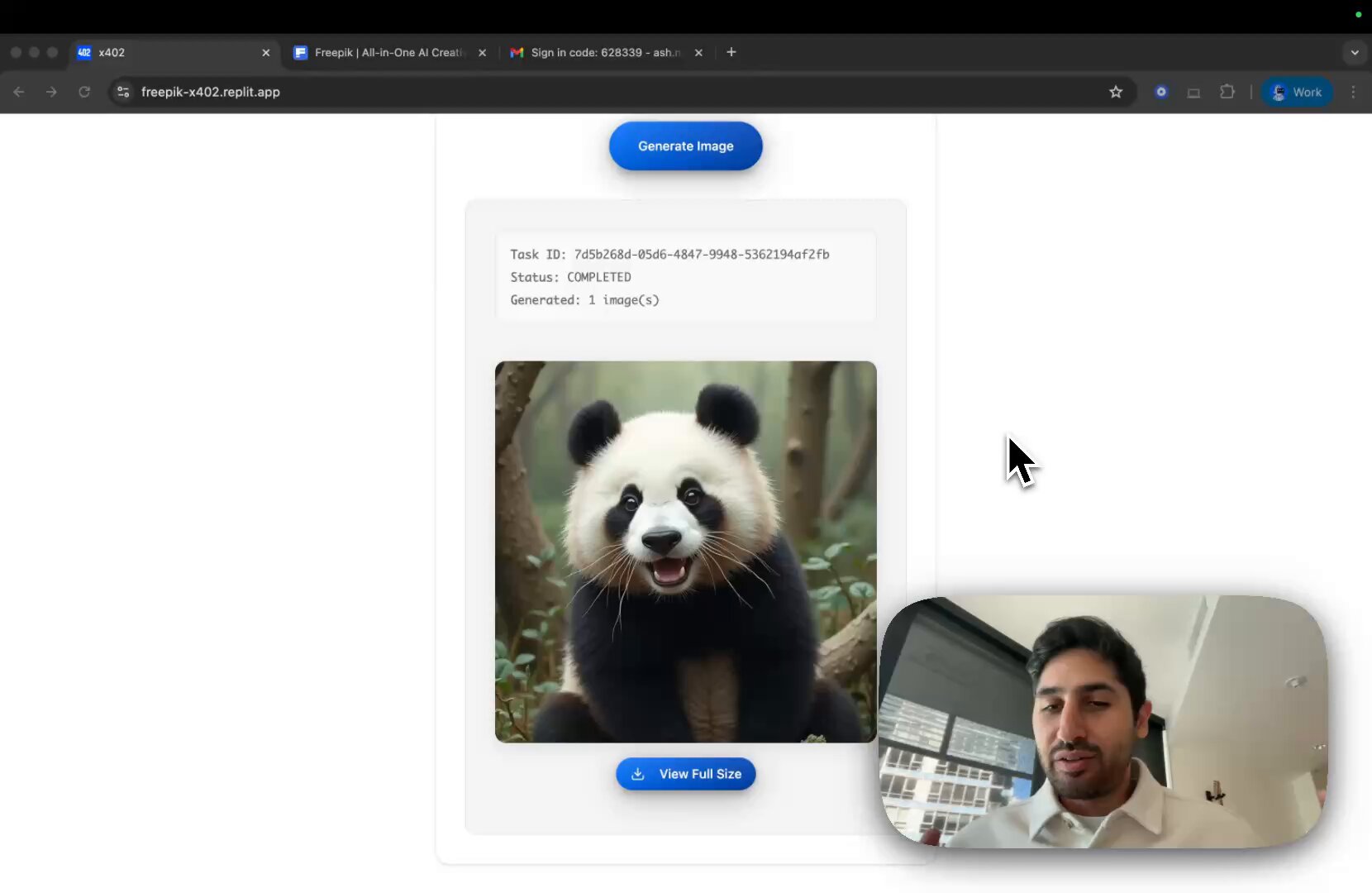
- Instant Payments for AI-Generated Media: AI image and content generation platforms, such as Freepik API, have integrated X402 to enable users to pay instantly for each generated asset, making premium AI services accessible without traditional payment friction.
With Coinbase (COIN) at $320.33, institutional confidence in crypto infrastructure is strong, making this the perfect time to future-proof your business by embracing HTTP-based payments.
Resources for Developers: Get Started Today
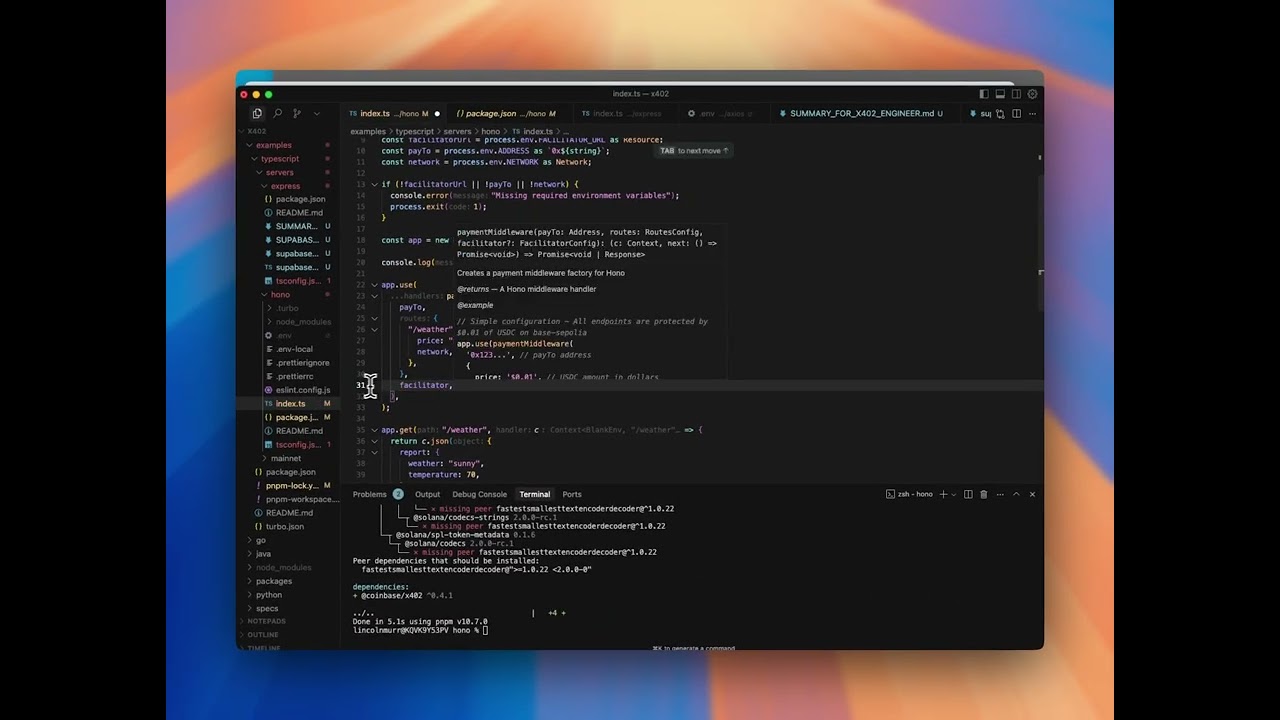
Coinbase’s open-source GitHub repository provides middleware libraries for Node. js and browser environments, so you can get up and running with just a few lines of code. The official documentation includes practical guides, best practices, and real-world examples, ideal whether you’re building from scratch or retrofitting an existing platform.
If you’re looking for hands-on instructions tailored to your stack or use case, check out our step-by-step resources:
- Integrate Coinbase X402 Payment Intents with HTTP Payment Protocol
- Accept Crypto Payments via HTTP APIs: A Developer’s Guide
- Instant Crypto Payments with HTTP Payment Protocol and X402
Don’t forget to leverage the vibrant developer community around X402, open issues on GitHub, contribute improvements, or share your own integrations. Collaboration is fueling rapid evolution in this space.
What motivates you most to integrate crypto payments like x402 into your business or app?
With protocols like Coinbase's x402 making crypto payments seamless, fast, and AI-friendly, more businesses can accept on-chain payments for APIs, content, and services. What's your top reason for considering crypto payments?
The Future of Payments Is Internet-Native
The rise of protocols like X402 signals a shift toward truly internet-native money, programmable, borderless, secure by design. As stablecoins gain traction and more businesses seek frictionless ways to monetize digital goods and services, integrating the HTTP Payment Protocol with Coinbase X402 positions you at the forefront of this transformation.
If you’re ready to unlock secure crypto transactions without sacrificing UX or developer agility, now is the time to explore what X402 can do for your project.




No comments yet. Be the first to share your thoughts!